
The Best Native Plants for Attracting Birds in Michigan
There’s something deeply comforting about a garden filled with birdsong.
A goldfinch balancing on a swaying seed head.
A chickadee darting through the shrubs.
Cardinals glowing against soft summer greenery.
When native Michigan plants are thoughtfully woven into the landscape, gardens begin to feel more alive — not just with flowers and pollinators, but with movement, sound, and wildlife activity throughout the seasons.
And one of the most beautiful things?
You do not need a massive property to create meaningful bird habitat.
Even small native gardens can provide food, shelter, nesting areas, and safe spaces that help support Michigan’s backyard birds.
Why Native Plants Matter for Birds
Native birds evolved alongside native plants over thousands of years.
Many native plants provide:
- Seeds
- Berries
- Nectar
- Shelter
- Nesting protection
- Insect habitat for feeding young birds
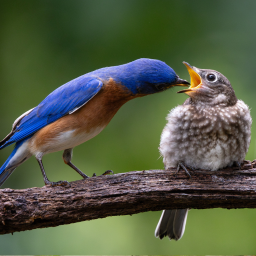
One of the most overlooked facts about bird conservation is that many baby birds rely heavily on insects during nesting season. Native plants support significantly more beneficial insects than non-native ornamentals, creating healthier food webs for birds and wildlife.
By planting native Michigan species, we help create healthier ecosystems that support birds, pollinators, butterflies, beneficial insects, amphibian-friendly habitats, and wildlife naturally.
The Native Plants Database (https://www.audubon.org/native-plants) from the National Audubon Society is an excellent resource for learning which native plants best support birds and wildlife in your region.
1. Serviceberry (Amelanchier canadensis)
One of the BEST native small trees for birds and wildlife.
Why birds love it:
- Early berries for songbirds
- Beautiful branching structure
- Excellent nesting habitat
- Stunning spring blooms and fall color
Best conditions:
- Sun to partial shade
- Average to moist soil
Serviceberry provides year-round beauty while supporting a wide variety of backyard birds, pollinators, and beneficial wildlife.
2. Winterberry (Ilex verticillata)
A gorgeous native shrub known for its brilliant red berries.
Why it works:
- Important winter food source
- Excellent shelter habitat
- Beautiful seasonal interest
- Supports many bird species
Best conditions:
- Full sun to partial shade
- Moist soil
Winterberry adds vibrant winter color while helping birds survive colder Michigan months when natural food sources become scarce.
3. Elderberry (Sambucus canadensis)
An incredible wildlife-supporting native shrub.
Why birds love it:
- Large berry clusters
- Dense sheltering branches
- Excellent nesting habitat
- Pollinator-friendly flowers
Best conditions:
- Full sun to partial shade
- Moist to average soil
Elderberry creates beautiful layered habitat while attracting birds, butterflies, native bees, and beneficial pollinators alike.
4. Switchgrass (Panicum virgatum)
A native grass that provides movement, texture, and bird habitat.
Why it’s valuable:
- Seeds for birds
- Winter shelter
- Excellent year-round structure
- Extremely low-maintenance
Best conditions:
- Full sun
- Average to dry soil
Switchgrass brings softness and motion to the landscape while helping create resilient bird-friendly gardens.
5. Gray Dogwood (Cornus racemosa)
One of the best native shrubs for supporting backyard birds.
Why it works:
- White berries birds love
- Dense branching for shelter
- Excellent natural screening plant
- Pollinator-friendly flowers
Best conditions:
- Sun to partial shade
- Average soil
Gray Dogwood helps create layered habitat while softening the edges of the landscape beautifully.
6. Ninebark (Physocarpus opulifolius)
A hardy native shrub with exceptional seasonal interest.
Why gardeners love it:
- Peeling bark texture
- Pollinator-friendly blooms
- Bird shelter and nesting support
- Adaptable and resilient
Best conditions:
- Full sun to partial shade
- Average soil
Ninebark adds structure, texture, wildlife value, and multi-season beauty throughout the year.
7. Buttonbush (Cephalanthus occidentalis)
One of the most valuable native shrubs for supporting wildlife.
Why it deserves a place in bird-friendly gardens:
- Supports pollinators and beneficial insects
- Provides cover for birds
- Excellent for wet areas and rain gardens
- Adds unique texture and seasonal interest
Best conditions:
- Full sun to partial shade
- Moist to wet soil
Buttonbush helps connect bird habitat, pollinator gardens, and amphibian-friendly landscapes into one thriving ecosystem.
8. Little Bluestem (Schizachyrium scoparium)
One of the most beautiful native grasses for birds and pollinators.
Why it’s wonderful:
- Seeds for birds
- Excellent winter cover
- Copper-orange fall color
- Adds movement and softness
Best conditions:
- Full sun
- Dry to average soil
Little Bluestem helps create naturalistic landscapes filled with texture, motion, and year-round wildlife activity.
Birds Need More Than Feeders
While bird feeders can certainly help, native plants provide something even more valuable:
A complete habitat.
Healthy bird-friendly gardens include:
- Layered vegetation
- Native trees
- Native shrubs
- Native grasses
- Seed-producing flowers
- Shelter from predators
- Insect-rich environments
- Water sources nearby
- Natural nesting areas
Even leaving some stems and seed heads standing through winter can make an enormous difference for wildlife.
The All About Birds website (https://www.allaboutbirds.org) from the Cornell Lab of Ornithology offers wonderful information about supporting backyard birds and creating healthy bird habitats.
Bird Habitat Supports More Than Birds
One of the beautiful things about creating bird habitat is that it benefits so much more than birds.
Native plant gardens also support:
- Butterflies
- Native bees
- Hummingbirds
- Beneficial insects
- Amphibians
- Backyard biodiversity
When we create habitat for birds, we often end up supporting an entire ecosystem.
The Garden for Wildlife Program (https://www.nwf.org/Garden-for-Wildlife) from the National Wildlife Federation offers excellent guidance for creating wildlife-friendly gardens using native plants.
If you’d like to learn more about bird conservation efforts happening throughout our state, Michigan Audubon (https://www.michiganaudubon.org) provides valuable information about bird habitat, migration, and conservation projects across Michigan.
A Garden Filled with Life
One of the most rewarding parts of native gardening is realizing the garden becomes part of something larger.
Birds begin visiting regularly.
Butterflies drift through the flowers.
Bees hum quietly among the blooms.
And suddenly, the garden no longer feels separate from nature…
it feels connected to it.
That’s one of the quiet gifts native Michigan gardens can offer.
With appreciation,
Barbara Fleury
Michigan Garden Design
There’s More to Discover
Native gardening is a journey, and every season brings new opportunities to create beauty, support wildlife, and connect more deeply with the natural world.
You may also enjoy:
- Native Michigan Plants That Butterflies Will Love
- The Best Native Michigan Plants for Hummingbirds
- The Best Native Michigan Plants for Low-Maintenance Gardens
Coming Next
👉 The Best Native Michigan Plants for Late-Summer Pollinators