
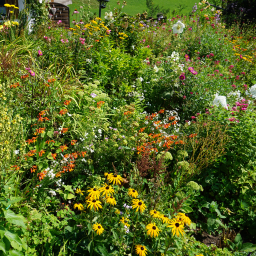
The Best Native Michigan Plants for Low-Maintenance Gardens
One of the biggest myths in gardening is that beautiful landscapes require endless work.
Watering.
Weeding.
Fertilizing.
Pruning.
Replacing plants that struggle year after year.
Many homeowners dream of a garden that looks beautiful but doesn’t demand constant attention.
The good news?
Michigan’s native plants offer exactly that.
Because these plants evolved right here in our region, they are naturally adapted to our soils, weather, rainfall patterns, and seasonal changes. Once established, many native plants require less watering, fewer inputs, and less maintenance than many traditional landscape plants.
Even better, they help create gardens filled with butterflies, bees, hummingbirds, songbirds, and the quiet beauty of a healthy ecosystem.
🌿 Why Native Plants Are Easier to Care For
Native plants have spent thousands of years adapting to Michigan’s environment.
That means they already know how to handle:
- Michigan winters
- Summer heat
- Seasonal droughts
- Local soils
- Native insects and wildlife
Unlike many non-native ornamentals, native plants often develop deep root systems that help them find water and nutrients naturally.
The result?
Less work for you and a healthier garden overall.
The Lady Bird Johnson Wildflower Center Plant Database is an excellent resource for researching native plants and growing conditions.
1. Wild Geranium (Geranium maculatum)
One of Michigan’s most dependable native woodland flowers.
Why it’s low-maintenance:
- Handles shade beautifully
- Slowly spreads without becoming invasive
- Requires little supplemental watering once established
- Supports native pollinators
Best conditions:
- Partial shade
- Average to moist soil
Its soft pink blooms bring gentle color to spring gardens while helping support early-season pollinators.
2. Prairie Dropseed (Sporobolus heterolepis)
If you’ve ever wanted a native plant that looks elegant year-round, Prairie Dropseed deserves a place on your list.
Why gardeners love it:
- Extremely drought tolerant
- Beautiful fountain-like form
- Minimal maintenance
- Outstanding fall color
Best conditions:
- Full sun
- Well-drained soil
This native grass adds movement, texture, and year-round interest while requiring very little attention.
It also provides shelter for beneficial insects and helps create a more natural garden structure.
3. Penstemon (Penstemon digitalis)
Also known as Foxglove Beardtongue, Penstemon is one of the easiest native perennials to grow.
Why it works:
- Adaptable to many soil types
- Drought tolerant once established
- Attractive to bees and pollinators
- Upright structure adds visual interest
Best conditions:
- Full sun to partial shade
- Average to dry soil
Its white flower spikes brighten the garden in late spring and early summer while supporting native bees and other beneficial insects.
4. Butterfly Weed (Asclepias tuberosa)
This compact milkweed proves that ecological gardening can also be colorful.
Why it’s easy:
- Thrives in poor soils
- Drought tolerant
- Long-lived perennial
- Requires very little maintenance
Best conditions:
- Full sun
- Dry, well-drained soil
Its brilliant orange flowers attract butterflies, bees, and other pollinators throughout summer while serving as a host plant for monarch caterpillars.
5. Foamflower (Tiarella cordifolia)
For shady areas, few native plants offer as much beauty with so little effort.
Why it works:
- Attractive foliage all season
- Slowly spreads as a ground cover
- Helps suppress weeds
- Supports pollinators
Best conditions:
- Partial to full shade
- Moist soil
Foamflower creates a peaceful woodland feel while reducing maintenance in difficult shady areas.
6. Little Bluestem (Schizachyrium scoparium)
One of the best native grasses for homeowners looking for beauty and simplicity.
Why gardeners love it:
- Handles drought well
- Requires little care
- Beautiful blue-green summer foliage
- Copper-orange fall color
Best conditions:
- Full sun
- Dry to average soil
Its graceful form provides shelter for beneficial insects, overwintering pollinators, and seed for birds while adding movement throughout the seasons.
7. Blue Flag Iris (Iris versicolor)
A wonderful choice for rain gardens and moist locations.
Why it’s low-maintenance:
- Thrives in wet soils
- Long-lived perennial
- Supports pollinators
- Excellent for naturalized areas
Best conditions:
- Full sun to partial shade
- Moist soil
Its striking blue-purple blooms create dramatic spring color while supporting pollinator-friendly and amphibian-friendly habitats.
Low-Maintenance Doesn’t Mean Less Wildlife
One of the biggest surprises for many gardeners is that low-maintenance gardens often support more wildlife.
These native plants help provide:
- Nectar for pollinators
- Host plants for butterflies
- Seeds for birds
- Shelter for beneficial insects
- Habitat for amphibians and other wildlife
When native plants are combined in layers of flowers, grasses, shrubs, and trees, they create ecosystems that become more resilient over time.
The National Wildlife Federation Garden for Wildlife Program provides excellent information about creating backyard habitats using native plants.
Simple Ways to Reduce Garden Maintenance
If your goal is a garden that practically takes care of itself, try these strategies:
- Choose plants suited to your site’s conditions
- Group plants with similar water needs
- Use native ground covers to reduce weeds
- Leave seed heads standing through winter
- Add mulch while plants become established
- Let native plants fill in naturally over time
Often, the less we interfere, the healthier a native garden becomes.
A More Peaceful Way to Garden
Many people begin gardening because they want beauty.
But over time, something deeper often happens.
The garden becomes a place to slow down.
To notice butterflies drifting through the flowers.
To hear birds singing from nearby shrubs.
To watch bees moving from bloom to bloom.
Native plants help create landscapes that feel less like work and more like living, breathing ecosystems.
And in many ways, that may be the greatest reward of all.
🌿 Coming Up Next:
👉 The Best Native Michigan Plants for Small Spaces
Check out these blog posts with more Michigan gardening information:
👉 Native Michigan Plants That Butterflies Will Love 🦋
👉 The Best Native Michigan Plants for Hummingbirds