
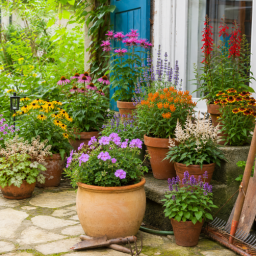
The Best Native Michigan Plants for Small Spaces
One of the biggest misconceptions about native gardening is that you need a large property to make a meaningful difference.
But even the smallest garden spaces can become beautiful, peaceful habitats filled with pollinators, birds, butterflies, and seasonal color.
A small front bed.
A narrow side yard.
A sunny patio border.
A quiet corner beside the porch.
Or even one or more containers filled with native plants.
With thoughtfully chosen native Michigan plants, even compact spaces can feel alive and connected to nature.
And in many ways, smaller gardens can actually feel more intentional, calming, and manageable than larger landscapes.
Why Native Plants Work Beautifully in Small Gardens
Native Michigan plants are often easier to care for because they naturally belong here.
Many native species:
- Require less watering once established
- Support pollinators and wildlife
- Adapt well to Michigan conditions
- Provide long seasonal interest
- Work beautifully in layered planting designs
- Help create low-maintenance landscapes
And in small spaces, every plant matters even more.
By choosing native plants with:
- Varied bloom times
- Interesting textures
- Manageable sizes
- Pollinator value
- Multi-season beauty
you can create a garden that feels rich, layered, and full of life without overwhelming the space.
The Lady Bird Johnson Wildflower Center Plant Database is an excellent resource for researching native plants and growing conditions.
1. Prairie Dropseed (Sporobolus heterolepis)
One of the most elegant native grasses for smaller landscapes.
Why it works:
- Compact graceful shape
- Soft flowing texture
- Beautiful movement in the breeze
- Low-maintenance once established
Best conditions:
- Full sun
- Well-drained soil
Prairie Dropseed adds softness and structure without taking over the garden while providing habitat for beneficial insects.
2. Alumroot (Heuchera richardsonii)
A wonderful native perennial for smaller shade gardens.
Why gardeners love it:
- Attractive foliage
- Compact growth habit
- Pollinator-friendly blooms
- Excellent edging plant
Best conditions:
- Partial shade
- Average woodland soil
Alumroot brings beautiful texture and softness to shaded garden beds while supporting native bees and other pollinators.
3. Dwarf Bush Honeysuckle (Diervilla lonicera)
An excellent native shrub for compact landscapes.
Why it works:
- Small manageable size
- Pollinator-friendly flowers
- Excellent fall color
- Adaptable and resilient
Best conditions:
- Sun to partial shade
- Average soil
This easy-care native shrub works beautifully in foundation plantings, smaller pollinator gardens, and wildlife-friendly landscapes.
4. Harebell (Campanula rotundifolia)
A delicate native wildflower perfect for smaller naturalistic gardens.
Why it’s special:
- Soft blue bell-shaped flowers
- Airy cottage-garden appearance
- Compact and graceful
- Pollinator-friendly blooms
Best conditions:
- Full sun
- Well-drained soil
Harebell adds whimsy, movement, and softness to small native Michigan gardens.
5. Pussytoes (Antennaria plantaginifolia)
A fascinating low-growing native plant and important butterfly host plant.
Why it works:
- Excellent ground cover
- Handles dry conditions
- Very low-maintenance
- Supports pollinators and butterflies
Best conditions:
- Full sun to partial shade
- Dry soil
Pussytoes works wonderfully along pathways, borders, and smaller garden edges while helping support butterfly populations.
6. Foamflower (Tiarella cordifolia)
A beautiful native woodland plant for shaded spaces.
Why gardeners love it:
- Layered foliage texture
- Soft white blooms
- Slowly spreads naturally
- Peaceful woodland feel
Best conditions:
- Partial to full shade
- Moist rich soil
Foamflower helps small shaded gardens feel lush, calming, and connected to nature.
7. Little Bluestem (Schizachyrium scoparium)
One of the best native grasses for structure and year-round interest.
Why it works:
- Narrow upright habit
- Beautiful copper fall color
- Drought tolerant
- Excellent wildlife support
Best conditions:
- Full sun
- Dry to average soil
Little Bluestem adds vertical movement and softness while supporting birds, pollinators, and beneficial wildlife.
Native Plants in Containers Count Too
One of my favorite discoveries recently came from meeting a gardener who specializes in growing native plants in containers for homeowners with limited space.
It was a wonderful reminder that you do not need a traditional garden bed to support pollinators and wildlife.
In fact, container gardening with native plants can be one of the easiest and most approachable ways to begin.
If you’re new to gardening, have limited mobility, live in a condominium, or simply have a small patio or balcony, native plants in pots can become a gateway to ecological gardening.
Even a single container can attract:
- Native bees
- Butterflies
- Beneficial insects
- Hummingbirds
And perhaps most importantly, these small plantings help create tiny stepping stones between larger green spaces.
Ecologists often refer to these connected areas as wildlife corridors. Even a porch planter filled with native flowers can help bridge gaps between habitats and provide food sources for pollinators moving through the landscape.
Some native plants that perform beautifully in containers include:
- Wild Columbine
- Prairie Smoke
- Butterfly Weed
- Alumroot
- Harebell
- Penstemon
- Little Bluestem
Every container becomes an opportunity to support biodiversity.
Small Gardens Can Still Support Wildlife
Even tiny native gardens can make a meaningful ecological impact.
These smaller spaces help support:
- Native bees
- Butterflies
- Hummingbirds
- Beneficial insects
- Songbirds
- Backyard biodiversity
A few thoughtfully chosen native plants can create far more ecological value than large areas of traditional turf grass.
The National Wildlife Federation Garden for Wildlife Program offers excellent information about creating wildlife-friendly backyard habitats using native plants.
Small Spaces Often Feel More Peaceful
One of the beautiful things about smaller native gardens is how intimate they can feel.
You notice more:
- Pollinator movement
- Seasonal changes
- Flower textures
- Bird activity
- The quiet rhythm of the garden
And over time, even the smallest native planting begins to feel less like landscaping…
and more like a living ecosystem.
A Garden That Fits Your Life
Native gardening doesn’t need to feel overwhelming.
You do not need acres of land to create something meaningful.
Sometimes all it takes is one thoughtfully planted small space filled with plants that truly belong here.
Or perhaps even a single container sitting outside your door.
And often, those smaller gardens become the spaces we enjoy the most.
Coming Up Next:
👉 The Best Native Plants for Attracting Birds in Michigan
Continue Your Native Gardening Journey!
If you’re enjoying learning how native plants can create beautiful, wildlife-friendly landscapes, you might also enjoy these articles:
🌿 The Best Native Michigan Plants for Low-Maintenance Gardens
🦋 Native Michigan Plants That Butterflies Will Love
🐝 The Best Native Michigan Plants for Hummingbirds