
The Best Native Michigan Plants for Late-Summer Pollinators
By late summer, many Michigan gardens begin to look a little tired.
The excitement of spring has passed.
Early summer blooms have faded.
And some garden beds begin to lose the color and energy they had just a few weeks earlier.
But out in nature, something remarkable is happening.
Pollinators are still hard at work.
Bees continue gathering pollen.
Butterflies search for nectar-rich flowers.
Hummingbirds fuel up before migration.
And countless beneficial insects prepare for the changing seasons ahead.
That’s why late-season blooms are so important.
By choosing native Michigan plants that flower in late summer and early fall, we can provide beauty in the garden while supporting the wildlife that depends on these critical food sources.
Why Late-Season Flowers Matter
Many pollinators face a shortage of nectar as summer transitions into fall.
While spring flowers often receive most of the attention, late-blooming native plants help provide:
- Nectar for migrating monarch butterflies
- Food for native bees preparing for winter
- Energy for hummingbirds before migration
- Habitat for beneficial insects
- Seasonal interest in the garden
- Seeds and shelter for wildlife later in the season
Late-season flowers often become some of the busiest plants in the landscape.
The Xerces Society for Invertebrate Conservation is an excellent resource for learning more about pollinator conservation and why season-long nectar sources are so important to native bees, butterflies, and other beneficial insects.
1. New England Aster (Symphyotrichum novae-angliae)
One of the most important late-season pollinator plants in Michigan.
Why pollinators love it:
- Blooms from late summer into fall
- Provides abundant nectar
- Supports migrating monarch butterflies
- Attracts dozens of native bee species
Best conditions:
- Full sun
- Average to moist soil
Its vibrant purple flowers often become covered with butterflies and bees when many other plants have stopped blooming.
2. Smooth Aster (Symphyotrichum laeve)
A beautiful native aster that brings soft color to late-season gardens.
Why it works:
- Long bloom period
- Drought tolerant
- Excellent pollinator value
- Beautiful natural appearance
Best conditions:
- Full sun
- Average to dry soil
Smooth Aster adds softness and movement while extending the pollinator season well into fall.
3. Joe-Pye Weed (Eutrochium maculatum)
One of the most impressive native plants for butterflies.
Why it’s valuable:
- Large nectar-rich flower clusters
- Excellent for monarchs and swallowtails
- Supports native bees
- Adds dramatic height
Best conditions:
- Full sun to partial shade
- Moist soil
Joe-Pye Weed often becomes one of the most active pollinator plants in the entire garden.
4. Sneezeweed (Helenium autumnale)
Despite its unfortunate name, this is one of the brightest stars of late summer.
Why pollinators love it:
- Long-lasting blooms
- Bright yellow flowers
- Supports bees and butterflies
- Excellent late-season color
Best conditions:
- Full sun
- Moist to average soil
Sneezeweed helps bridge the gap between summer and fall while keeping gardens vibrant.
5. Culver’s Root (Veronicastrum virginicum)
An elegant native perennial with striking white flower spikes.
Why it works:
- Unique architectural form
- Pollinator favorite
- Supports native bees
- Adds vertical interest
Best conditions:
- Full sun to partial shade
- Average to moist soil
Its graceful blooms attract a surprising variety of pollinators throughout late summer.
6. Ironweed (Vernonia fasciculata)
One of Michigan’s boldest native wildflowers.
Why it’s incredible:
- Rich purple blooms
- Outstanding butterfly attraction
- Long bloom season
- Excellent wildlife value
Best conditions:
- Full sun
- Moist soil
Ironweed creates dramatic color while serving as a late-season nectar source.
7. Blue Mistflower (Conoclinium coelestinum)
A plant that often surprises gardeners.
Why pollinators love it:
- Soft blue flowers
- Exceptional butterfly attraction
- Long bloom period
- Spreads naturally in suitable locations
Best conditions:
- Full sun to partial shade
- Moist soil
Blue Mistflower often becomes a butterfly magnet in late summer and early fall.
8. Goldenrod (Solidago spp.)
Perhaps the most misunderstood native plant in Michigan.
Contrary to popular belief, Goldenrod does not cause hay fever. Ragweed, which blooms at the same time, is usually the culprit.
Why it’s essential:
- One of the best late-season nectar plants
- Supports enormous numbers of pollinators
- Provides food when little else is blooming
- Outstanding ecological value
Best conditions:
- Full sun
- Adaptable to many soil conditions
Goldenrod may be one of the single most important plants for supporting late-season pollinators.
9. Rough Blazing Star (Liatris aspera)
A wonderful choice for sunny, dry Michigan gardens.
Why pollinators love it:
- Excellent butterfly attraction
- Drought tolerant once established
- Long-lasting blooms
- Supports native bees and beneficial insects
Best conditions:
- Full sun
- Dry to average soil
Rough Blazing Star is a fantastic option for homeowners looking to support pollinators in challenging dry locations.
Pollinators Need Continuous Bloom
One of the biggest lessons native gardening teaches us is that wildlife needs support throughout the entire growing season.
A garden filled with spring flowers is wonderful.
A garden that blooms from spring through fall is transformative.
When bloom times overlap, pollinators always have access to food sources.
This is especially important for monarch butterflies as they begin their fall migration south.
And the garden remains vibrant and alive for months longer.
The Monarch Joint Venture offers excellent information about monarch migration, conservation, and how native plants help support monarch populations throughout their life cycle.
Late-Season Pollinators Support Birds Too
The relationship between pollinators and birds is closer than many people realize.
As pollinator populations increase, insect populations increase as well.
Those insects become food for birds.
Seed heads formed by flowers become winter food sources.
Dense plantings provide shelter and nesting areas.
A healthy pollinator garden often becomes a thriving bird habitat too.
For gardeners interested in supporting birds as well as pollinators, Michigan Audubon provides valuable information about bird conservation, habitat restoration, and protecting Michigan’s native wildlife.
🐸 Healthy Pollinator Gardens Support Amphibians Too
When we create diverse native plantings, we support more than pollinators and birds.
Native gardens can help create cooler soil conditions, improve moisture retention, and provide cover for beneficial wildlife, including frogs, toads, and salamanders.
Healthy ecosystems tend to support a wide variety of life.
And that’s one of the beautiful surprises of native gardening.
The National Wildlife Federation’s Garden for Wildlife Program offers wonderful information about creating wildlife-friendly habitats that support pollinators, birds, amphibians, and other beneficial creatures.
A Garden That Keeps Giving
One of the joys of native gardening is discovering that the season doesn’t end in July.
In many ways, some of the most beautiful moments happen later.
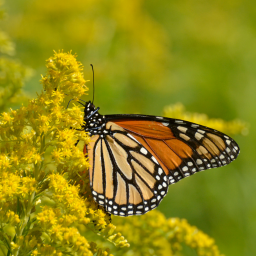
A monarch drifting through nectar-filled goldenrod.
A goldfinch perched on a seed head.
A hummingbird making one last visit before migration.
These are the moments that remind us the garden is not simply a collection of plants.
It’s a living ecosystem.
And late-season blooms help keep that ecosystem thriving.
With appreciation,
Barbara Fleury
Michigan Garden Design
There’s More to Discover
Native gardening is a journey, and every season brings new opportunities to create beauty, support wildlife, and connect more deeply with the natural world.
If you’re enjoying learning how native plants can support pollinators, birds, and healthy backyard ecosystems, you might also enjoy these articles:
- The Best Native Plants for Attracting Birds in Michigan
- Native Michigan Plants That Butterflies Will Love
- The Best Native Michigan Plants for Hummingbirds
- The Best Native Michigan Plants That Bloom All Summer
- The Best Native Michigan Plants for Low-Maintenance Gardens
Coming Up Next:
By late summer, different native plants are blooming across Michigan depending on where you live. In our next article, we’ll explore what’s blooming right now throughout the state and highlight some of the native wildflowers, grasses, and pollinator plants putting on a show from the Upper Peninsula to Southwest Michigan.
👉 What’s Blooming Now Across Michigan