
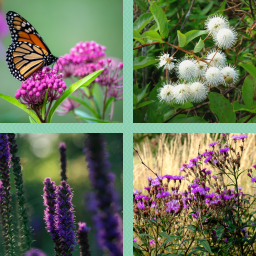
Native Michigan Plants That Butterflies Will Love
There’s something deeply peaceful about watching butterflies drift through a summer garden.
One moment they float quietly above the flowers…
the next, they settle gently onto a bloom as if the garden itself has slowed down for a moment.
Butterflies bring movement, beauty, and life to the landscape. But beyond their beauty, they also play an important role in healthy ecosystems, pollinator gardens, and backyard biodiversity.
And one of the best ways to support them?
Planting native Michigan plants that provide the nectar, shelter, host plants, and habitat butterflies depend on throughout their life cycle.
The wonderful thing is that many of these native plants are not only beautiful — they’re also resilient, low-maintenance, and perfectly suited to Michigan gardens.
Why Native Plants Matter for Butterflies
Butterflies evolved alongside native plants over thousands of years.
Many butterflies rely on native plants for:
- Nectar
- Egg laying
- Caterpillar host plants
- Shelter from weather and predators
- Habitat throughout the growing season
- Safe overwintering spaces
Without native plants, many butterfly species struggle to survive.
By creating native plant gardens, we help support not only butterflies, but also bees, hummingbirds, songbirds, beneficial insects, amphibian-friendly ecosystems, and healthier backyard habitats overall.
The Xerces Society for Pollinator Conservation offers excellent information about supporting butterflies, pollinators, and beneficial insects using native plants.
1. Swamp Milkweed (Asclepias incarnata)
One of the BEST native Michigan plants for butterflies and pollinator gardens.
Why butterflies love it:
- Essential host plant for monarch caterpillars
- Nectar-rich flowers
- Long bloom period
- Sweet fragrance
Best conditions:
- Full sun
- Moist to average soil
Its soft pink blooms become alive with pollinator activity throughout summer while supporting monarch butterfly populations.
2. Ironweed (Vernonia fasciculata)
A stunning native perennial with rich purple blooms butterflies absolutely adore.
Why it works:
- Excellent late-season nectar source
- Tall dramatic structure
- Highly attractive to butterflies
- Adds beautiful vertical interest
Best conditions:
- Full sun
- Moist soil
Ironweed brings bold color, movement, and incredible pollinator activity to late-summer gardens.
3. Prairie Blazing Star (Liatris pycnostachya)
A true butterfly magnet and one of the most beautiful native prairie plants.
Why pollinators love it:
- Tall purple flower spikes
- Excellent nectar source
- Long bloom season
- Supports native bees and butterflies
Best conditions:
- Full sun
- Average to moist soil
Blazing Star adds movement, texture, and vibrant color to butterfly-friendly Michigan landscapes.
4. Buttonbush (Cephalanthus occidentalis)
One of the most unique native shrubs for pollinator and wildlife gardens.
Why butterflies love it:
- Nectar-rich spherical flowers
- Supports many pollinator species
- Excellent wildlife shrub
- Adds beautiful structure to the garden
Best conditions:
- Full sun to partial shade
- Moist soil
Buttonbush works beautifully near rain gardens, ponds, and wetter garden areas while helping support backyard biodiversity.
5. Blue Vervain (Verbena hastata)
A graceful native wildflower that adds softness and vertical texture.
Why it works:
- Long-lasting blooms
- Excellent butterfly plant
- Supports beneficial insects
- Beautiful meadow-like appearance
Best conditions:
- Full sun
- Moist to average soil
Blue Vervain creates a relaxed natural feel while attracting constant pollinator activity throughout the growing season.
6. Boneset (Eupatorium perfoliatum)
An underused native plant with exceptional ecological value.
Why pollinators love it:
- Excellent late-season nectar source
- Attracts butterflies and native bees
- Long bloom period
- Thrives in moist conditions
Best conditions:
- Full sun to partial shade
- Moist soil
Its airy white blooms create softness and movement in late-summer butterfly gardens.
7. Mountain Mint (Pycnanthemum virginianum)
One of the BEST native plants for pollinators overall.
Why it’s incredible:
- Covered in pollinators throughout summer
- Fragrant foliage
- Long bloom period
- Extremely valuable for native bees and butterflies
Best conditions:
- Full sun to partial shade
- Average soil
Mountain Mint may not be the flashiest plant in the garden, but few natives attract more pollinator activity or provide more ecological value.
🦋 Butterflies Need More Than Flowers
One of the most important things to understand is that butterflies need far more than nectar alone.
Healthy butterfly habitat also includes:
- Native host plants
- Shelter from wind
- Safe places for caterpillars
- Chemical-free gardens
- Layered plantings
- Water sources
- Natural overwintering habitat
Even leaving a few leaves, stems, and seed heads in the garden through winter can help overwintering pollinators survive Michigan’s colder months.
The Monarch Joint Venture provides excellent educational resources about monarch butterflies, migration, and native habitat restoration.
Simple Ways to Support Butterflies Naturally
To create a butterfly-friendly Michigan garden:
- Plant native flowers in clusters
- Include blooms from spring through fall
- Avoid pesticides and herbicides whenever possible
- Leave natural shelter areas
- Add shallow water sources
- Include host plants for caterpillars
- Allow some seed heads and stems to remain through winter
Small changes can make an enormous difference for pollinator populations and backyard biodiversity.
A Garden Full of Life and Movement
One of the most rewarding parts of native gardening is realizing the garden is no longer simply something we look at…
It becomes something alive.
Butterflies drift through the flowers.
Bees hum quietly in the background.
Birds move through layered branches and seed heads.
And suddenly, the garden feels connected to the natural world in a completely different way.
That’s the quiet magic of native Michigan gardening.
Coming Next
👉 The Best Native Michigan Plants for Low-Maintenance Gardens
Would you like to learn more about creating the perfect garden to attract pollinators? Check out this blog post: