
How to Create a Backyard Habitat with Native Plants
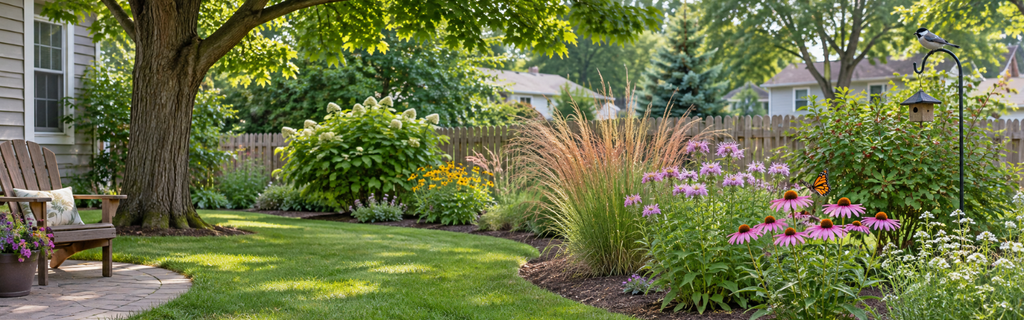
A backyard can be more than a beautiful place to relax. It can also become a living, changing habitat where birds find shelter, butterflies discover nectar, native bees gather pollen, and countless small creatures find what they need to survive.
And the wonderful part? You don’t need acres of land, a wooded property, or an elaborate landscape design to make it happen.
Even a modest Michigan backyard can contribute to the surrounding environment when we begin thinking about the relationships between plants, wildlife, and the spaces they share.
Creating a backyard habitat isn’t about letting everything grow wild. It’s about making thoughtful choices that allow nature to become part of the garden’s everyday life.
What Makes a Backyard a Habitat?
A garden filled with beautiful flowers may attract butterflies and bees, but a true wildlife habitat offers something more.
Wildlife needs more than an occasional meal. Birds need places to rest and nest. Pollinators need dependable food sources and suitable nesting conditions. Small mammals and other creatures need protection from weather and predators.
The National Wildlife Federation identifies four essential elements of wildlife habitat:
- Food: Nectar, pollen, seeds, berries, nuts, and insects.
- Water: Accessible sources for drinking, bathing, and, for some wildlife, reproduction.
- Cover: Trees, shrubs, grasses, and other sheltered spaces that provide protection.
- Places to raise young: Suitable nesting areas, host plants, and protected locations where wildlife can reproduce.
These elements work together. A flowering plant may provide nectar for an adult butterfly, while a different plant supplies the leaves its caterpillars need. A shrub might offer berries in one season and protective nesting cover in another.
This is where the idea of habitat gardening becomes especially interesting.
Instead of asking only, What plants would look beautiful here? we begin asking, What could this space provide for the living things around it?
That simple shift can change the way we see our entire backyard.
Why Michigan Native Plants Matter
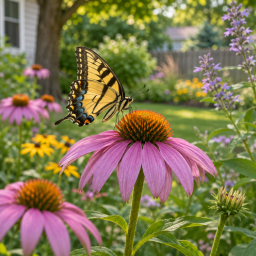
Michigan’s native plants have developed relationships with the insects, birds, and other wildlife that share their natural environments.
Many native insects depend on particular plants for food or reproduction. Birds, in turn, rely on insects, seeds, fruits, and the shelter that vegetation provides.
When we introduce appropriate Michigan native plants into residential landscapes, we help support some of these important connections.
According to Michigan State University Extension, native plants can contribute to wildlife habitat while creating attractive landscapes suited to Michigan growing conditions.
A backyard habitat doesn’t need to be filled entirely with native plants overnight. Existing trees, shrubs, and garden beds may already provide useful structure. The opportunity is to build upon what’s there, gradually introducing plants that offer additional ecological value.
In our earlier article, How to Design a Native Garden for Year-Round Wildlife, we explored why supporting wildlife across the seasons matters. A backyard habitat brings that same thinking into the overall landscape, considering how different garden spaces work together.
Think in Layers, Not Just Flower Beds
One of the most useful ways to imagine a backyard habitat is to picture the different layers of a natural landscape.
A tree creates shade and overhead shelter. Shrubs provide protection closer to the ground. Native flowers offer seasonal food sources, while grasses and low-growing plants create additional cover.
Even fallen leaves and standing plant stems can serve a purpose.
These layers don’t have to fill every square foot of the yard. They can be incorporated into existing borders, along fences, beneath trees, or in areas where traditional lawn isn’t especially useful.
The goal is to create a garden with more than one level of activity.
This connects naturally with our earlier discussion in How to Create Spaces Where Wildlife Feels Safe. A garden may provide plenty of food, but wildlife also benefits from places where it can pause, hide, and move through the landscape with some protection.
And there’s another benefit: thoughtfully arranged layers can make a backyard feel more inviting to people, too.
A Backyard Habitat Can Still Look Beautiful and Intentional
One concern homeowners sometimes have about wildlife gardening is that the finished landscape will appear messy or unmaintained.
But a habitat garden doesn’t have to sacrifice visual appeal.
Curved planting beds, defined edges, repeated plant groupings, and attractive pathways can provide a sense of organization while leaving room for natural processes.
A small native planting near a patio can feel just as intentional as a larger garden border. A flowering shrub can create privacy while offering wildlife benefits. A group of native grasses can bring movement and texture to an otherwise quiet corner.
The important distinction is that we’re designing with both people and wildlife in mind.
A successful backyard habitat should be a place you enjoy spending time in, not simply an area you’ve set aside for nature.
And perhaps that’s one of the most rewarding aspects of this kind of gardening: the more welcoming we make our spaces to wildlife, the more opportunities we create to observe and appreciate the natural world.
Start by Seeing What’s Already There
Before adding plants or changing the landscape, consider what your backyard already offers.
Perhaps a mature tree provides valuable shelter. Maybe a sunny corner attracts butterflies, or a shaded area retains moisture longer than the rest of the property.
These observations are the beginning of good habitat design.
You don’t need to transform everything at once. In fact, taking time to understand the existing landscape often leads to better decisions about what to add, what to preserve, and where improvements will make the greatest difference.
Creating a backyard habitat begins not with purchasing more plants, but with recognizing the possibilities already growing around you.
Turning Your Backyard into a Living Habitat
Once you begin looking at your backyard through the eyes of wildlife, new possibilities emerge. A sunny border becomes a place for pollinators to feed. A grouping of shrubs offers shelter. Even a quiet corner beneath a tree can become part of a larger habitat.
The goal isn’t to redesign your entire property. It’s to bring together a few thoughtful elements that make your backyard more welcoming to wildlife while keeping it attractive and enjoyable for you.
Begin with One Manageable Area
Choose a space where creating habitat feels practical.
Perhaps it’s an existing flower bed, a narrow strip along a fence, or a section of lawn that receives little use. Starting with an established garden area often makes the transition easier because some of the groundwork is already in place.
Consider how the space connects with surrounding trees, shrubs, and planting beds. Wildlife benefits when food and shelter are located near one another rather than scattered across large, exposed areas.
You might expand an existing border, connect two planting areas, or introduce a small grouping of native plants beneath a shrub.
The most useful habitat improvements aren’t necessarily the largest. They’re the ones that add something meaningful to the landscape.
Choose Native Plants with Different Purposes
A successful backyard habitat includes plants that contribute in different ways throughout the growing season.
Rather than selecting plants solely for flower color, consider what each one brings to the garden.
A few Michigan native plants worth exploring include:
- Wild Bergamot (Monarda fistulosa) — Offers summer flowers visited by bees and other pollinators. Its informal growth habit works beautifully in sunny native planting areas.
- Little Bluestem (Schizachyrium scoparium) — Adds upright structure, seasonal color, and cover among flowering perennials. It is particularly useful in sunny areas with well-drained soil.
- Swamp Milkweed (Asclepias incarnata) — Provides summer nectar and serves as a larval host plant for monarch butterflies. It generally prefers moist conditions.
These are examples rather than a planting formula. The right combination depends on the amount of sunlight, available moisture, and space in your backyard.
canr.msu.edu+2
We explored the importance of combining plant functions in How to Design a Native Garden for Year-Round Wildlife. Here, the emphasis is on choosing a few plants that complement one another within a smaller habitat space.
Add Water Without Creating a Major Project
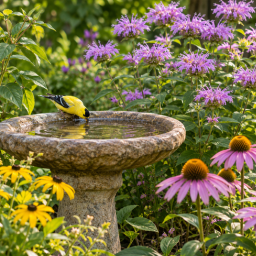
Water can be one of the simplest habitat features to introduce.
A shallow birdbath, small basin, or modest ground-level water source can provide opportunities for birds and other wildlife to drink.
Place it where you can enjoy watching visitors, but close enough to suitable shelter that birds aren’t left completely exposed.
A few practical considerations make a difference:
- Choose a shallow basin with secure footing.
- Refresh the water regularly and keep the container clean.
- Place it where fallen leaves and debris won’t constantly collect.
You don’t need a pond to begin supporting wildlife with water. A small, well-maintained feature can be a useful addition to the garden.
For homeowners interested in expanding this idea, our earlier article, How to Create Small Water Features for Wildlife, explores additional possibilities.
Create Shelter at Different Heights
Food and water may attract wildlife, but shelter encourages animals to use the space for more than a brief visit.
Native shrubs can provide protective cover, while grasses and perennial plantings offer lower-growing shelter.
Think about creating small protected areas rather than leaving every planting completely exposed.
You can also retain some natural materials where they’re appropriate. Fallen leaves beneath shrubs, standing stems from established perennials, and small amounts of decaying wood can provide habitat for insects and other organisms.
These features don’t need to dominate the garden. They can be incorporated discreetly into areas that receive less foot traffic.
Let the Habitat Develop Over Time
A newly planted habitat will not function exactly like an established one.
Plants need time to develop roots, expand, and fill available spaces. As the planting matures, the amount and variety of shelter and food it provides may increase.
Observe which flowers receive visitors, where birds spend time, and which areas remain relatively quiet.
These observations can guide future improvements more effectively than adding plants simply because space remains available.
As we discussed in How to Let Your Native Garden Fill in Naturally, giving plants room and time to develop is an important part of creating a lasting native landscape.
A backyard habitat doesn’t need to be completed in one season. Each thoughtful addition can contribute to the larger picture.
Caring for a Habitat That Grows with Nature
Once you’ve introduced native plants, water, and shelter into your backyard, the next step is learning how to care for the space without removing the very things that make it valuable to wildlife.
Fortunately, habitat gardening doesn’t have to mean more work. Often, it involves making a few thoughtful adjustments to familiar gardening routines.
Rethink the Seasonal Cleanup
In many traditional gardens, fall means cutting everything back, removing fallen leaves, and preparing the landscape for a clean start in spring.
But some of the materials we routinely remove can provide important habitat.
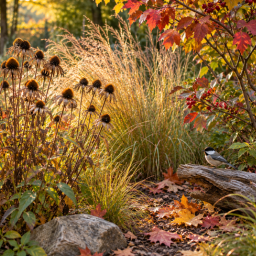
Standing perennial stems may offer nesting opportunities for certain native bees. Fallen leaves can shelter overwintering insects, and dried seed heads may provide food for birds.
Rather than clearing every planting bed, consider leaving some natural materials in less-visible areas of the garden.
In spring, you can continue caring for the landscape thoughtfully, removing damaged or unwanted growth while allowing suitable habitat areas to remain undisturbed when practical.
This doesn’t mean abandoning maintenance. It means recognizing that a garden can be both well cared for and ecologically useful.
Make Room for Nature Without Losing Your Design
A backyard habitat should remain a place you enjoy.
Maintain pathways, keep planting edges defined, and manage plants that begin spreading beyond their intended spaces.
You can also leave certain areas more natural while keeping others carefully maintained.
For example, a garden near the patio might receive regular attention, while a planting beneath mature shrubs may be allowed to develop a little more freely.
This balance helps a native garden feel intentional rather than neglected.
As the seasons change, you’ll begin to recognize which areas benefit from attention and which are doing well with less interference.
Let Observation Guide Your Next Improvements
One of the most rewarding aspects of creating a backyard habitat is discovering how wildlife begins to use it.
You might notice birds exploring seed heads in autumn, bees visiting particular flowers in summer, or butterflies returning to a favorite sunny area.
Not every visitor will appear immediately, and not every planting will attract the wildlife you expect.
That’s part of the learning process.
Take note of what you observe, and let those discoveries influence future planting and maintenance decisions.
A backyard habitat is never truly finished. It becomes more meaningful as we learn to recognize the relationships developing within it.
Barbara’s Observation
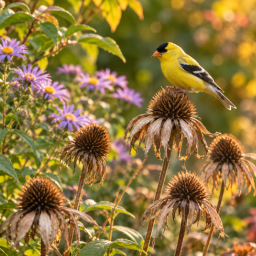
I’ve come to appreciate that some of the most interesting moments in a garden happen when we’re not actively working in it.
A bird settling into the protection of a shrub, a bee disappearing among the flowers, or a butterfly resting quietly on a leaf can remind us that the garden serves purposes beyond what we see from the patio.
Creating habitat isn’t about controlling every detail. It’s about providing the conditions that allow these small moments to happen.
And sometimes, the most valuable thing we can do is simply pay attention.
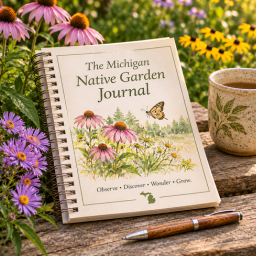
Continue the Discovery with Your Michigan Native Garden Journal
As your backyard habitat develops, consider keeping a simple record of the wildlife you notice.
Which plants receive the most visits? Where do birds find shelter? What changes as the seasons progress?
Recording these observations can help you recognize patterns and make more informed choices as your garden grows.
COMPLIMENTARY FIRST MONTH
The Michigan Native Garden Journal
Explore your garden through observation, reflection, and seasonal discovery.
Observe • Discover • Wonder • Grow
Keep Exploring
Continue developing your backyard habitat with these related Michigan Garden Design articles:
- How to Design a Native Garden for Year-Round Wildlife — Explore how thoughtful planting choices can support wildlife throughout Michigan’s changing seasons.
- How to Create Spaces Where Wildlife Feels Safe — Discover how shelter and protected areas contribute to a welcoming habitat.
- How to Create Small Water Features for Wildlife — Learn ways to incorporate water without taking on a major landscape project.
- How to Let Your Native Garden Fill in Naturally — Understand why giving plants time and space to develop can improve your garden.
What’s Next
Choose one area of your backyard and look at it from a wildlife perspective.
Does it offer food, water, shelter, or a place to raise young? Is there one important element missing?
You don’t need to make a major change. Identify one improvement that could make the space more useful to wildlife, and begin there.
Small changes, made thoughtfully over time, can help transform an ordinary backyard into a more connected living landscape.
Coming Next:
How to Choose Native Plants for Sun, Soil, and Moisture
Creating a backyard habitat begins with understanding what wildlife needs. But choosing plants that will thrive in your particular garden is just as important.
In our next Michigan Garden article, How to Choose Native Plants for Sun, Soil, and Moisture, we’ll explore how to recognize your garden’s growing conditions and select Michigan native plants that are naturally suited to them.
Because the most successful native gardens begin with putting the right plants in the right places.