
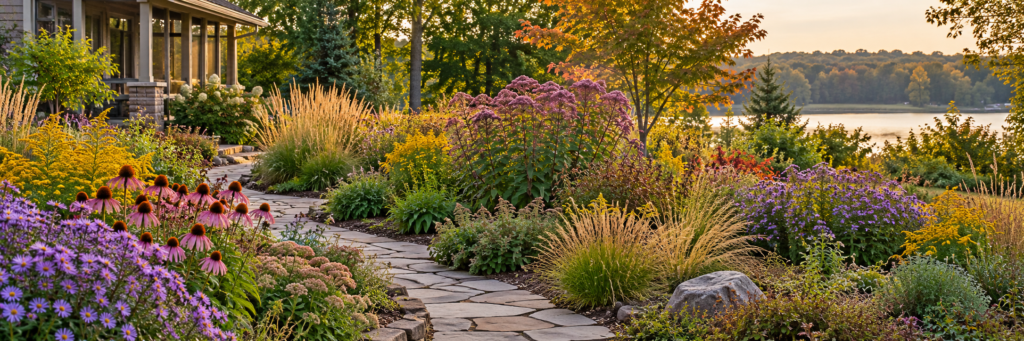
How to Design a Native Garden for Year-Round Wildlife
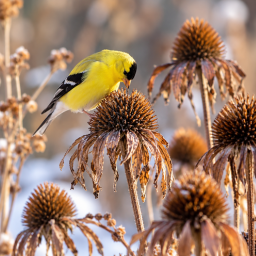
Have you ever looked out at your garden on a quiet winter morning and noticed a small bird perched on a dried flower stem, searching for one last seed?
Or watched a butterfly moving among the flowers in summer, seemingly unaware that the garden was planted with its needs in mind?
These little moments remind us that our gardens are so much more than collections of beautiful plants.
They are places where life unfolds.
When we begin designing with wildlife in mind, something wonderful happens. Our attention shifts from what a garden looks like at a particular moment to what it provides throughout the year.
A seed head becomes winter nourishment. Fallen leaves become shelter. A native shrub offers nesting opportunities, while its flowers and berries support wildlife at different times of the year.
And suddenly, our gardens take on a much deeper purpose.
Here in Michigan, where the seasons change so dramatically, we have an opportunity to create gardens that offer something meaningful in spring, summer, autumn, and even the quietest days of winter.
The best part? You don’t need a large property, an elaborate landscape design, or an entirely new garden to begin.
You simply need to start looking at your garden through the eyes of the wildlife that might call it home.
A Wildlife Garden Begins with Four Essential Needs
Before choosing plants or deciding where a new garden bed might belong, it helps to understand what wildlife needs to thrive.
Whether we’re thinking about birds, butterflies, native bees, or the many beneficial insects living quietly among our plants, a successful wildlife garden provides four essential things.
Food. Nectar, pollen, seeds, berries, foliage, and the insects that birds and other creatures depend upon for nourishment.
Water. Accessible, clean water for drinking and, for some wildlife, bathing or reproduction.
Shelter. Places to rest, escape predators, find protection from harsh weather, and survive Michigan’s cold winters.
Places to Raise Young. Nesting locations, host plants for caterpillars, undisturbed soil, and natural materials where insects can safely lay their eggs.
What’s especially interesting is how these needs overlap.
A native shrub might offer spring blossoms for pollinators, summer berries for birds, and protective branches for nesting.
A patch of native wildflowers can provide nectar during the growing season, seeds as autumn approaches, and overwintering habitat when its stems are left standing.
Instead of designing separate spaces for every creature, we can choose plants that serve several purposes throughout the year.
This is one of the most rewarding aspects of gardening in harmony with nature. As we begin supporting one form of life, we often discover that we’re helping many others.
Think Beyond Flowers: Design for All Four Seasons
When planning a garden, it’s natural to think first about flowers.
We imagine the fresh colors of spring, the abundance of summer blooms, and perhaps a few beautiful additions for autumn.
But wildlife needs don’t begin when the first flower opens, nor do they end when the last bloom fades.
In Michigan, each season brings different challenges and opportunities for the creatures sharing our landscapes.
Spring: A Time of Renewal
As temperatures warm, early pollinators begin searching for nourishment, and birds turn their attention toward nesting.
Native plants such as wild columbine, serviceberry, and wild geranium help provide early-season resources.
Trees and shrubs also become especially valuable as birds search for protected nesting locations and insects to feed their young.
Summer: A Season of Abundance
Summer brings some of the most visible wildlife activity to our gardens.
Butterflies move among the flowers, bees gather pollen and nectar, and birds search for food beneath the leaves and among the branches.
Native milkweeds provide essential host plants for monarch caterpillars, while wild bergamot, black-eyed Susan, and other summer-blooming natives support a variety of pollinators.
Autumn: Preparing for the Cold
As summer flowers begin to fade, late-blooming plants take on greater importance.
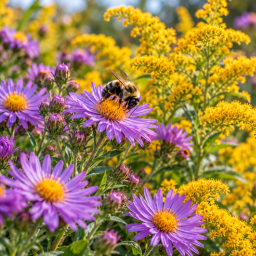
New England asters and goldenrods provide valuable nectar and pollen for insects still active in the garden.
Meanwhile, seeds ripen, leaves settle beneath shrubs, and wildlife begins preparing for the colder months ahead.
Winter: Life Beneath the Quiet
A winter garden may appear dormant, but it is far from lifeless.
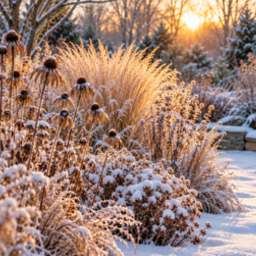
Standing seed heads offer nourishment for birds. Native grasses provide protective cover, while fallen leaves and undisturbed stems shelter insects through freezing temperatures.
Plants such as little bluestem and native coneflowers also bring beautiful structure to a landscape that might otherwise appear empty.
And this is where designing for wildlife becomes especially meaningful.
A garden doesn’t need to be blooming to be providing something valuable.
When we consider all four seasons, we’re no longer simply selecting plants for their appearance. We’re creating a living landscape that supports nature throughout the entire year.
Build Your Garden in Layers
One of the most helpful lessons nature teaches us about garden design is that plants rarely grow at just one height.
Walk through a Michigan woodland or along the edge of a meadow, and you’ll notice how naturally the landscape is arranged.
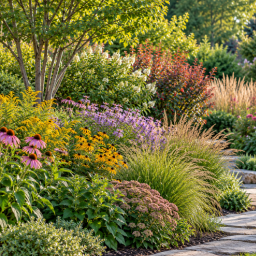
Trees rise above shrubs. Flowering perennials mingle with grasses. Low-growing plants fill the spaces near the ground.
Each layer creates different opportunities for wildlife.
Native trees provide shade, nesting locations, and food for countless insects that birds depend upon. Shrubs offer protective cover and, in many cases, berries or seeds. Flowering perennials provide nectar and pollen, while native grasses create shelter and nesting habitat.
Even the ground beneath these plants serves an important purpose.
Fallen leaves, natural mulch, and areas of undisturbed soil create protected spaces for insects and other small creatures.
The beauty of this approach is that you don’t need a large property to make it work.
Perhaps you already have a mature tree in your landscape. Adding a native shrub beneath its canopy and a few shade-tolerant perennials nearby can begin creating the same layered relationships we see in nature.
Or perhaps you have a sunny garden bed where taller native flowers and grasses could provide a backdrop for shorter flowering plants.
The goal isn’t to recreate an entire woodland or meadow. It’s to bring some of nature’s most beneficial relationships into the space you already have.

Choose Native Plants That Serve More Than One Purpose
When selecting plants for a wildlife-friendly garden, I encourage you to think beyond color and bloom time.
Instead of asking only, “What will look beautiful here?” consider asking, “What will this plant contribute to the life of my garden?”
Some Michigan native plants are especially valuable because they support wildlife in several ways.
Serviceberry (Amelanchier species)
A beautiful small tree or large shrub that offers spring blossoms for early pollinators, summer fruit for birds, and branching structure that provides cover and potential nesting locations.
Common Milkweed (Asclepias syriaca)
An essential host plant for monarch caterpillars, common milkweed also produces fragrant summer flowers that attract a variety of nectar-seeking insects. Because it spreads through underground rhizomes, it is best suited to areas where it has room to grow.
Wild Bergamot (Monarda fistulosa)
Its lavender-colored summer flowers attract native bees, butterflies, and hummingbirds. When the stems remain standing through winter, they can also contribute to nesting habitat for certain native bees in subsequent seasons.
New England Aster (Symphyotrichum novae-angliae)
One of Michigan’s beautiful late-season bloomers, this native perennial provides important nectar and pollen when many summer flowers have finished blooming.
Little Bluestem (Schizachyrium scoparium)
This graceful native grass offers structure, protective cover, and overwintering habitat. Its foliage develops lovely copper tones in autumn, adding beauty long after the summer flowers have faded.
These plants are examples rather than a universal planting list.
Every garden has its own sunlight, soil conditions, moisture levels, and available space.
Choosing plants that naturally thrive in those conditions is just as important as selecting them for their wildlife benefits.
Make Room for Nature Without Sacrificing Beauty
One concern I often hear about native gardens is that they might look untidy or overgrown.
But designing for wildlife doesn’t mean giving up the beauty and thoughtful organization we appreciate in our landscapes.
In fact, some of the simplest design choices can help a native garden feel both welcoming and intentional.
Consider grouping several plants of the same species together rather than scattering individual plants throughout the garden. Repeated groupings create visual harmony while making flowers easier for pollinators to discover.
Defined garden edges and inviting pathways provide a sense of structure, even when the plants themselves grow in a more natural arrangement.
And rather than cutting back every perennial in autumn, allow healthy seed heads and stems to remain standing through winter.
You can still keep walkways clear, manage unwanted plants, and maintain a sense of order.
Fallen leaves can remain beneath shrubs and within garden beds, where they provide valuable shelter for overwintering insects and gradually contribute organic matter to the soil.
These small decisions allow the garden to feel cared for without removing the very features that make it valuable to wildlife.
Don’t Forget a Source of Water
Although native plants form the foundation of a healthy wildlife garden, water is another important consideration.
A shallow birdbath, small water feature, or gently sloping dish can provide drinking water for visiting wildlife.
Place it where you can enjoy watching your garden visitors, but where birds also have access to nearby protective cover.
Keep water clean and refreshed regularly, especially during warm weather.
During Michigan’s coldest months, a properly maintained heated birdbath can provide drinking water for birds that remain throughout winter.
You don’t need an elaborate pond or expensive installation.
Sometimes the smallest thoughtful addition can make a meaningful difference.
Begin with What Your Garden Already Offers
Before creating a new planting bed or purchasing additional plants, take a little time to observe your existing landscape.
You may already have trees that provide nesting opportunities, shrubs that offer protective cover, or perennials producing seeds for winter birds.
Notice where sunlight falls, where leaves naturally accumulate, and which areas seem to attract the most wildlife.
Then consider what might be missing.
Perhaps your garden has plenty of summer flowers but very little blooming in spring or autumn.
Maybe there are beautiful flowering plants but few places where birds can find shelter.
Or perhaps a small grouping of native grasses would provide winter structure while adding movement and texture throughout the growing season.
You don’t have to redesign your entire landscape to make it more welcoming to wildlife.
One thoughtful addition, followed by another, can gradually transform an ordinary garden into a place where nature feels at home.
And as your garden grows, you’ll begin discovering that some of the most rewarding design decisions come from simply paying attention to what nature is already showing you.
Barbara’s Observation
One of the things I have come to appreciate most about gardening is that the beauty we see is only a small part of what is actually happening.
We tend to celebrate our gardens when flowers are blooming, butterflies are visiting, and everything is lush and green. But some of the most important work happens quietly, long after the growing season has ended.
A goldfinch finding seeds among dried flower heads. A native bee sheltered inside a hollow stem. A butterfly spending the winter beneath fallen leaves.
These are reminders that our gardens have a purpose beyond what we can see.
I also believe that creating a garden for wildlife doesn’t mean giving up the thoughtful design that makes a landscape beautiful.
We can create inviting pathways, arrange plants in pleasing combinations, and maintain a sense of order while still allowing nature the space it needs.
Perhaps the greatest gift of a wildlife-friendly garden is the opportunity to see our landscapes differently.
Instead of asking ourselves whether the garden looks finished, we begin wondering what life it might support next.
And that is when gardening becomes something even more meaningful.
A Garden Journal Moment
As you begin thinking about the wildlife your garden could support, I encourage you to spend a little time observing what is already happening.
You might be surprised by how much life is present, even during the quieter months.
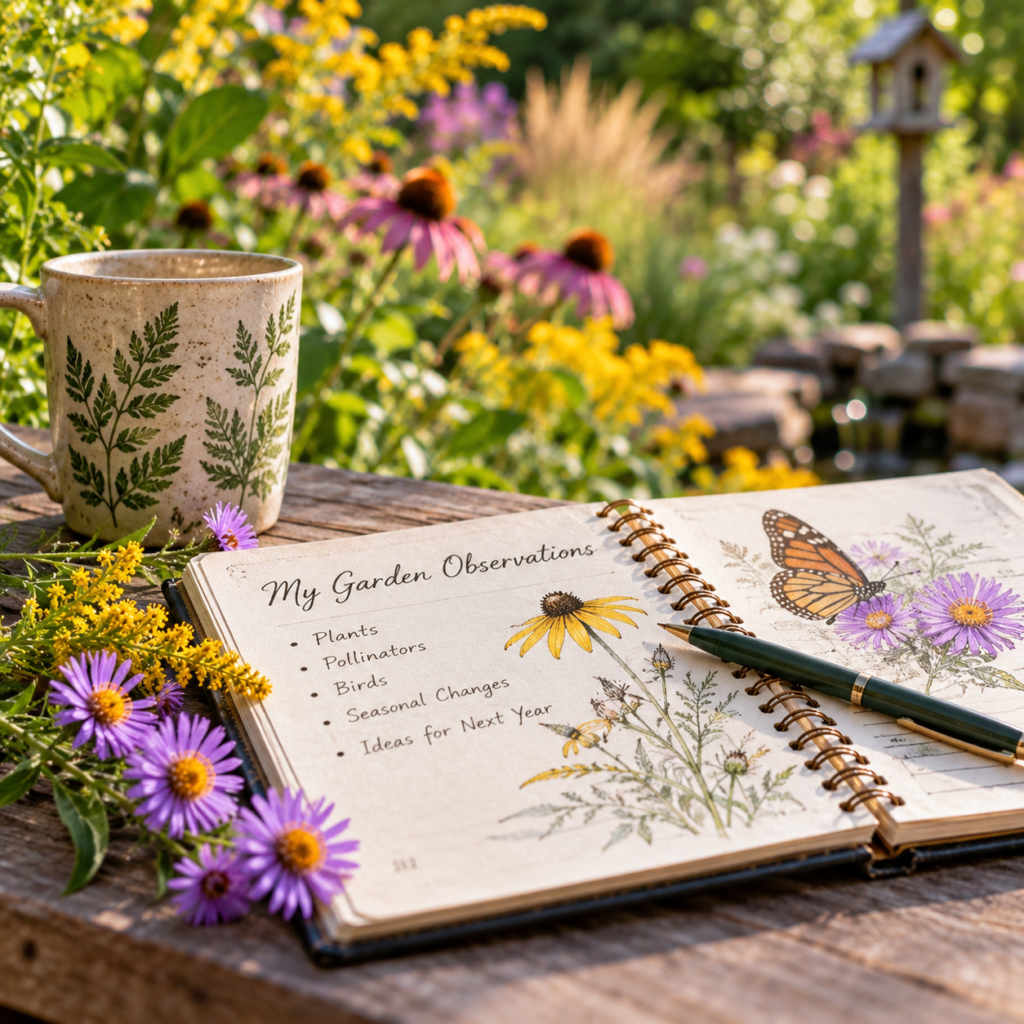
Consider recording these observations in your Michigan Native Garden Journal:
- What birds, butterflies, bees, or other wildlife have I noticed in my garden?
- Which plants currently provide food, shelter, or nesting opportunities?
- What is one small addition I could make to help wildlife during a season when resources are limited?
There is no need to make every change at once.
Sometimes the most meaningful garden improvements begin with a single observation and a thoughtful decision.
Your Michigan Native Garden Journal
Every garden has a story, and some of its most meaningful chapters unfold when we take the time to notice the little things.
The free month of the Michigan Native Garden Journal was created to help you observe your garden through the seasons, reflect on what you’re learning, and celebrate the changes taking place.
Whether you’re discovering a new garden visitor or considering your next native planting, your observations can help guide the way.
Begin your own garden journal by visiting the Resources page at Michigan Garden Design, where you can request your complimentary month.
Keep Exploring
If you’re interested in learning more about how native plants support Michigan wildlife, these resources offer additional guidance:
- Michigan State University Extension: Research-based information about native plants, pollinators, and wildlife-friendly landscaping.
- The Xerces Society: Practical guidance on protecting pollinators and preserving overwintering habitat.
- National Wildlife Federation: Information about creating gardens that provide food, water, shelter, and places for wildlife to raise their young.
You may also enjoy these Michigan Garden Design articles:
How to Let Your Native Garden Fill In Naturally explores the benefits of allowing plants to establish their own relationships within the garden.
Learning How to Trust Your Native Garden encourages us to appreciate the natural changes that occur as our landscapes mature.
What’s Next
Creating a garden that supports wildlife throughout the year doesn’t require a complete landscape transformation.
It begins with understanding what nature needs, recognizing what your garden already provides, and making thoughtful additions over time.
A native shrub here. A grouping of wildflowers there. A few seed heads left standing through winter.
Each choice can contribute to a healthier, more welcoming landscape.
And as the seasons change, you’ll discover that your garden offers something wonderful beyond its flowers.
It becomes a place where life is welcomed, supported, and celebrated throughout the year.
Coming Next
How to Plan a Pollinator Garden for Next Year
Now that we’ve explored how native gardens can support wildlife through every season, it’s time to turn that inspiration into a plan.
In our next Michigan Gardening article, we’ll look at how to choose a location, evaluate sunlight and soil conditions, select native plants for continuous blooms, and create a manageable planting plan for the coming growing season.
Whether you’re beginning with one small garden bed or adding to an established landscape, thoughtful planning now can lead to a garden filled with life next year.
Gardening in Harmony with Nature 🌿