
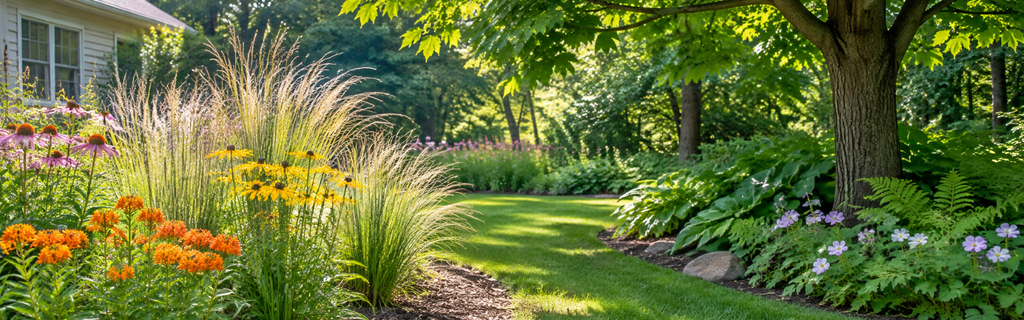
How to Choose Native Plants for Sun, Soil, and Moisture
It is so easy to fall in love with a native plant. Perhaps it is the delicate flowers, the movement of its foliage in the breeze, or the butterflies visiting it at a local nursery. You imagine how beautiful it would look growing in your own garden.
But before bringing that plant home, there is an important question worth asking:
Will this plant be happy growing where I want to put it?
One of the most valuable lessons in native gardening is understanding that even plants native to Michigan have different growing requirements. Some thrive in open, sunny spaces where the soil dries quickly. Others prefer the filtered light beneath trees, consistently moist ground, or even areas that remain wet for part of the year.
Choosing the right native plant is not simply about finding something beautiful or beneficial to wildlife. It is about understanding the relationship between the plant and the conditions where it will grow.
When those conditions are well matched, the garden has a stronger foundation for becoming healthy, resilient, and easier to care for over time.
Start with the Garden You Have
Michigan gardens are wonderfully diverse. A property near Lake Michigan may have sandy soil that drains quickly, while another garden only a short distance away may contain heavy clay that holds moisture much longer.
Even within a single backyard, conditions can vary considerably.
The sunny space beside a driveway may become hot and dry during summer. A planting bed along the north side of a house might remain shaded and cool. A low area near a downspout may collect water after heavy rainfall, while a slightly elevated bed only a few feet away dries out much sooner.
These differences are not necessarily problems that need correcting. They are useful clues about which plants may grow successfully in each location.
In our previous article, How to Create a Backyard Habitat with Native Plants, we explored how native plants contribute to a welcoming environment for wildlife. Understanding the growing conditions throughout your property is an important next step in making that habitat successful.
Rather than trying to make every area of the garden behave the same way, we can begin choosing plants that naturally suit each space.
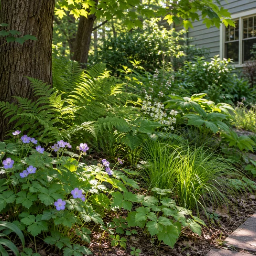
Sunlight: More Than Sunny or Shady
When selecting plants, sunlight is often the first growing requirement gardeners consider.
Plant labels typically describe sunlight preferences as full sun, partial shade, or shade. These descriptions are helpful starting points, but the actual light conditions in a garden can be more complicated.
A space that receives morning sunlight and afternoon shade may be quite different from one exposed to the intense afternoon sun. Likewise, an area beneath deciduous trees may receive considerable sunlight in early spring before the leaves emerge, then become much shadier during summer.
These seasonal changes matter.
A plant that grows beautifully in an open meadow may struggle beneath a mature maple tree. Meanwhile, a woodland species may be much better suited to that sheltered setting.
Before choosing plants, spend a little time observing how sunlight moves across the garden.
You may discover that the area you assumed was sunny actually receives only a few hours of direct light, or that a partially shaded corner has more planting possibilities than you originally imagined.
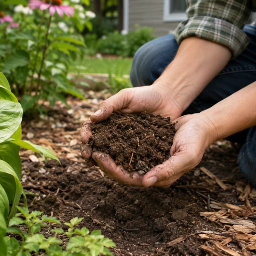
Soil: Understanding What Lies Beneath
Soil is another important part of the picture.
Michigan gardeners encounter everything from loose, sandy soils to dense clay and mixtures of loam, gravel, and disturbed soil left behind during construction.
Each influences how water moves through the ground and how easily plant roots can grow.
Sandy soil generally drains more quickly and retains less water. Clay soils often hold moisture longer but may become compacted or drain slowly. Loamy soils contain a balance of particle sizes, although their drainage and fertility can still vary.
It can be tempting to improve every planting area with compost or other amendments before introducing native plants. However, many species are naturally suited to particular soil conditions, and changing those conditions is not always necessary or beneficial.
As Michigan State University Extension’s native plant guidance emphasizes, selecting plants suited to the landscape begins with understanding the conditions already present.
The goal is not to create perfect soil everywhere. It is to learn what your soil offers and choose accordingly.
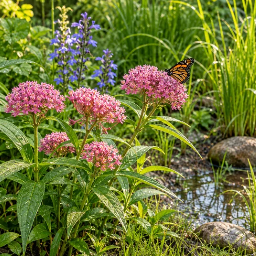
Moisture: The Condition We Sometimes Overlook
Sunlight and soil receive considerable attention, but moisture can be just as important when choosing native plants.
A garden may have adequate sunlight and seemingly suitable soil, yet a plant can still struggle if its roots experience conditions that are consistently too wet or too dry.
Consider two planting areas that both receive six hours of sunlight.
One has sandy soil that dries quickly after rainfall. The other has heavier soil that remains damp for several days.
Although their sunlight exposure is similar, they may support very different native plant communities.
Moisture conditions can also change throughout the growing season. An area that feels wet during spring may become surprisingly dry by midsummer.
Understanding these patterns helps gardeners avoid the frustration of repeatedly replacing plants that were never well suited to their locations.
Let the Conditions Guide Your Choices
There is something encouraging about recognizing that a difficult planting space may simply need a different kind of plant.
A dry, sunny slope does not have to become a lush woodland garden. A naturally moist corner does not need to behave like a prairie. And a shady area beneath established trees can offer its own opportunities for beautiful native plant combinations.
The more we understand these differences, the easier it becomes to work with the garden rather than continually trying to change it.
Successful native gardening begins not with a plant list, but with learning what the landscape is already telling us.
Once you begin recognizing the differences in sunlight, soil, and moisture throughout your garden, choosing native plants becomes much more intentional.
Instead of starting with a list of favorite flowers, begin with the conditions of the space you want to plant. A few simple observations can help narrow your choices and prevent disappointing results.
Take a Closer Look Before Planting
You do not need specialized equipment to begin understanding your garden.
Start with three simple observations:
- Sunlight: Notice how many hours of direct sunlight an area receives during the growing season. Pay particular attention to the difference between morning and afternoon exposure.
- Soil: Examine whether the soil feels sandy, crumbly, or heavy and sticky when moist. If you are uncertain about its characteristics or fertility, a soil test through Michigan State University Extension can provide additional information.
- Moisture: Observe what happens after rainfall. Does water disappear quickly, remain for several hours, or leave the soil damp for days?
Try making these observations at different times during the growing season. Conditions in April may be noticeably different from those in July.
Once you understand the space, you can begin looking for native plants with similar growing requirements.
Native Plants for Sunny, Dry Locations
Sunny locations with well-drained soil offer excellent opportunities for Michigan native prairie plants.
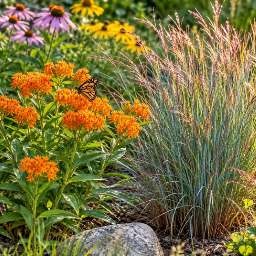
Butterfly Weed (Asclepias tuberosa) is a beautiful example. Its vivid orange flowers bring summer color to dry, sunny areas, and it is naturally associated with sandy soils and open habitats.
Little Bluestem (Schizachyrium scoparium) is another worthwhile choice. This native grass adds fine texture and movement, transitioning into beautiful copper and reddish tones during autumn. It is particularly useful in sunny areas with well-drained soil.
Together, flowering perennials and native grasses can create a planting that feels natural while offering changing interest throughout the seasons.
For additional inspiration, explore How to Use Native Grasses in Your Michigan Garden.
Native Plants for Partially Shaded Spaces
Partially shaded gardens offer a different kind of beauty, often emphasizing delicate flowers, layered foliage, and softer transitions.
Wild Geranium (Geranium maculatum) is well suited to many partially shaded locations. Its soft pink-to-lavender spring flowers bring early color, while its attractive foliage adds texture to woodland-style plantings.
Wild geranium tolerates a range of soil textures and moisture conditions, although performance will depend on the particular site.
Wild Ginger (Asarum canadense) is another Michigan woodland native worth considering for shaded locations with adequately moist, organic-rich soil. Its broad, heart-shaped leaves can gradually create a low-growing ground layer.
These plants demonstrate that a shaded garden does not need to imitate a sunny flower border to be beautiful.
Native Plants for Moist or Occasionally Wet Soil
Areas that retain moisture may provide opportunities for some of Michigan’s most appealing native wildflowers.
Swamp Milkweed (Asclepias incarnata) grows well in sunny to partially shaded locations with medium to wet soil. Its clusters of pink flowers offer summer interest, and its foliage provides food for monarch caterpillars.
Great Blue Lobelia (Lobelia siphilitica) offers another possibility, producing striking blue flowers later in the growing season. It can grow in sun or partial shade and prefers average to wet soil conditions.
These plants may be especially useful near naturally damp garden edges, rain gardens, or low areas where moisture is more dependable.
However, there is an important distinction between soil that remains moist and an area that experiences prolonged standing water. Choose plants according to how wet the location actually becomes.
Think Beyond the Individual Plant
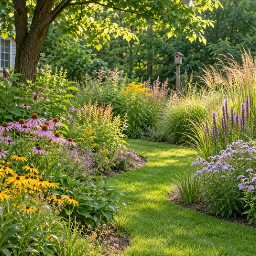
Finding a plant that matches your growing conditions is only part of creating a successful garden.
Consider how that plant will relate to its neighbors.
Will its mature height complement the surrounding plants? Will its foliage provide interest after flowering? Does it have enough room to reach its natural size without crowding a walkway or overwhelming smaller plants?
Grouping species with compatible sunlight and moisture needs also makes garden care more manageable.
As we explored in How to Let Your Native Garden Fill in Naturally, allowing plants appropriate room to develop can create beautiful, interconnected plantings over time.
Rather than purchasing several unrelated plants simply because they catch your eye, consider beginning with a small group of complementary species suited to the same conditions.
A thoughtfully chosen combination often creates a more cohesive garden than a collection of individually beautiful plants placed without considering their needs.
Making Thoughtful Choices for a Healthier Native Garden
Even with careful planning, not every native plant will perform exactly as expected. Gardens are living environments, and their conditions change over time.
Trees grow and create additional shade. Established plants compete for available moisture. A particularly wet spring may be followed by a summer with very little rainfall.
These changes are a natural part of gardening, and they remind us that choosing the right plant for the right place is an ongoing process rather than a one-time decision.
Avoid Trying to Make Every Plant Fit
One of the most common mistakes in native gardening is choosing a plant for its appearance and then trying to change the planting location to accommodate it.
A moisture-loving species planted in dry, sandy soil may require frequent watering. A sun-loving prairie flower placed beneath dense tree cover may struggle to bloom.
Sometimes a small adjustment in placement makes all the difference.
Before purchasing a plant, consider its mature size, preferred growing conditions, and natural growth habit. Remember that even within a group of Michigan native plants, individual species can have very different needs.
Also consider how much maintenance you are willing to provide. A plant that consistently requires extra attention may simply be better suited to another part of the garden.
Give Native Plants Time to Establish
Choosing a well-matched plant is an excellent beginning, but it does not eliminate the need for establishment care.
Newly planted natives generally need attention to watering while their root systems develop, even when the species is considered drought-tolerant once established.
Watch how your plants respond throughout their first growing seasons. Some will settle into their surroundings relatively quickly, while others may take longer to demonstrate their full potential.
As we explored in Learning How to Trust Your Native Garden, patience and observation are often just as important as the original planting decisions.
The goal is not to create a garden that never needs care. It is to create one where the plants and growing conditions work together, reducing unnecessary intervention as the garden matures.
Barbara’s Observation
I find it fascinating how much a garden can tell us before we ever put a plant into the ground.
A patch of soil that dries quickly, a corner that stays damp after rainfall, or the changing shade beneath a tree can all guide our choices.
Sometimes the most successful garden decisions begin not with imagining what we want a space to become, but with noticing what is already there.
When we learn to recognize what a garden naturally offers, choosing the right plants becomes less about controlling the space and more about working in harmony with it.
Your Garden Has a Story Worth Recording
Before selecting new native plants, spend some time observing the conditions throughout your garden.
Where does sunlight linger? Which areas dry out quickly? Where does moisture remain after rainfall?
These simple observations can become a valuable reference as your garden develops.
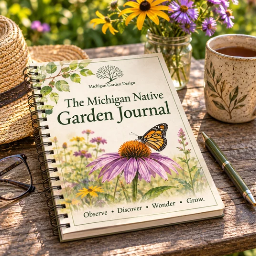
The Michigan Native Garden Journal offers a place to record what you discover, track planting locations, and compare how different areas change through the seasons.
COMPLIMENTARY FIRST MONTH
The Michigan Native Garden Journal
Observe • Discover • Wonder • Grow
Keep Exploring
Continue learning how to create a native garden that works with the conditions of your Michigan landscape.
- How to Create a Backyard Habitat with Native Plants — Explore how thoughtful plant choices help provide food, shelter, and other essential habitat features for wildlife.
- How to Use Native Grasses in Your Michigan Garden — Discover how native grasses bring structure, movement, and seasonal beauty to the landscape.
- How to Let Your Native Garden Fill in Naturally — Learn why allowing plants room to develop can create a more connected and harmonious planting.
- Michigan State University Extension – Home Gardening — Find additional Michigan-specific information about soil, planting conditions, and garden care.
What’s Next?
Choose one area of your garden that you would like to improve.
Before deciding what to plant, observe its sunlight, soil texture, and moisture conditions. You may discover that the space is better suited to a different combination of native plants than you originally imagined.
Even a few thoughtful observations can help you make more confident planting decisions.
Coming Next:
How to Design a Low-Maintenance Native Garden
Once you understand how to match native plants to your garden’s growing conditions, the next step is bringing those plants together in a design that is both beautiful and manageable.
In our next Michigan Garden article, How to Design a Low-Maintenance Native Garden, we will explore how thoughtful plant groupings, spacing, and design choices can reduce unnecessary maintenance while allowing your garden to develop naturally.
Because a garden that works with nature should leave you more time to enjoy it.