
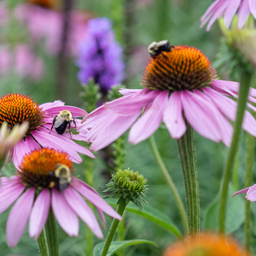
The Best Native Michigan Plants for Pollinators
One of the most rewarding parts of creating a native Michigan garden is watching it come alive with pollinators.
Bees drifting from flower to flower. Monarch butterflies floating through the garden. Hummingbirds pausing for just a moment before moving on.
The beautiful thing is that supporting pollinators doesn’t require a massive garden or complicated landscape design.
Sometimes a few thoughtfully chosen native Michigan plants can make an incredible difference for bees, butterflies, birds, beneficial insects, and even the health of your local ecosystem.
Here are some of the best native Michigan plants for attracting pollinators while creating a beautiful, low-maintenance garden filled with movement and life.
Why Native Michigan Plants Matter for Pollinators
Native pollinators evolved alongside native Michigan plants over thousands of years.
That means these plants naturally provide:
- Nectar
- Pollen
- Shelter
- Nesting support
- Seasonal food sources
Many native bees, butterflies, and beneficial insects rely specifically on native plant species for survival.
Native plants also tend to:
- Require less maintenance
- Adapt well to Michigan weather conditions
- Need less watering once established
- Support healthier ecosystems overall
- Provide habitat for birds and wildlife
When you plant native species, you’re helping create a healthier and more resilient Michigan landscape.
The Xerces Society for Pollinator Conservation is an excellent resource for learning more about pollinator habitat and native plant ecosystems.
1. Butterfly Weed (Asclepias tuberosa)
One of the most important native Michigan plants for monarch butterflies.
Why pollinators love it:
- Bright orange blooms
- Excellent nectar source
- Host plant for monarch caterpillars
- Drought tolerant once established
Best conditions:
- Full sun
- Well-drained soil
Butterfly Weed is one of the easiest ways to support monarch butterflies in Michigan gardens.
2. Wild Bergamot (Monarda fistulosa)
A favorite among bees, butterflies, hummingbirds, and beneficial pollinators.
Why pollinators love it:
- Long blooming period
- Fragrant lavender flowers
- Excellent nectar source
- Supports many native bee species
Best conditions:
- Full sun to partial shade
- Average soil
Wild Bergamot adds both beauty and movement to pollinator gardens while helping attract hummingbirds throughout summer.
3. Purple Coneflower (Echinacea purpurea)
One of the most recognizable native pollinator plants in Michigan.
Why pollinators love it:
- Large nectar-rich blooms
- Long flowering season
- Supports bees and butterflies
- Seed heads provide food for birds in fall and winter
Best conditions:
- Full sun
- Well-drained soil
Coneflowers also add beautiful structure and texture to native garden designs.
4. Black-Eyed Susan (Rudbeckia hirta)
A cheerful native flower that supports a wide variety of pollinators.
Why pollinators love it:
- Easy nectar access
- Long bloom time
- Excellent beginner-friendly native plant
- Provides seeds for birds later in the season
Best conditions:
- Full sun
- Adaptable to many soil conditions
Black-Eyed Susan is one of the easiest native Michigan flowers to grow successfully.
5. Blazing Star (Liatris spicata)
A stunning vertical accent in pollinator-friendly gardens.
Why pollinators love it:
- Butterflies are highly attracted to it
- Excellent nectar source
- Provides late-season blooms
- Adds height and texture
Best conditions:
- Full sun
- Moist to average soil
Blazing Star is especially beautiful when planted in groups alongside prairie grasses and other native perennials.
6. Joe-Pye Weed (Eutrochium purpureum)
An incredible pollinator magnet for larger Michigan gardens and naturalized spaces.
Why pollinators love it:
- Massive flower clusters
- Attracts butterflies and bees
- Excellent late-season nectar source
- Supports biodiversity in wet and moist garden areas
Best conditions:
- Moist soil
- Sun to part shade
Joe-Pye Weed also works beautifully near rain gardens and amphibian-friendly landscapes.
A Few Simple Pollinator Garden Tips
To create an even more welcoming habitat:
- Plant native flowers in groups rather than individually
- Include flowers with different bloom times
- Leave some garden areas slightly natural
- Avoid pesticides whenever possible
- Add shallow water sources for pollinators and birds
- Include native grasses and shrubs for shelter
Even small habitat features can help support:
- Native bees
- Butterflies
- Hummingbirds
- Beneficial insects
- Songbirds
- Amphibians
The National Wildlife Federation Garden for Wildlife Program offers excellent information for creating backyard wildlife habitats using native plants.
A Garden Full of Movement and Life
Pollinator gardens offer a kind of beauty that’s constantly changing.
They buzz.
They flutter.
They move with the seasons.
And perhaps most importantly, they remind us that our gardens can become part of something much larger than ourselves.
Even the smallest native garden can help support Michigan’s pollinators, birds, and wildlife for generations to come.
When we plant with nature in mind, we create spaces that are not only beautiful—but deeply alive.
Coming Next
👉 Native Michigan Plants That Thrive in Wet Areas and Rain Gardens
Your might also enjoy reading this: