
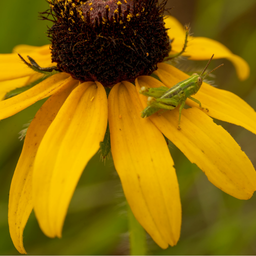
How to Design a Simple Native Garden in Michigan
Starting a native garden in Michigan can feel overwhelming at first, especially if you’re unsure what to plant, where to begin, or how much space you really need.
The good news?
Designing a simple native garden does not have to be complicated.
In fact, some of the most beautiful and successful Michigan native gardens begin with one small space, a handful of carefully chosen plants, and a willingness to let nature lead.
A native garden is not about creating something perfect. It is about creating a space that works with nature instead of against it. It is about supporting pollinators, welcoming birds, protecting beneficial insects, and building a garden that feels connected to Michigan’s natural landscape.
If you are new to native plant gardening, this step-by-step guide will help you begin in a simple, peaceful, and manageable way.
Quick Answer: How Do You Start a Native Garden in Michigan?
A simple beginner native garden in Michigan starts with choosing a small space, observing sunlight and moisture, selecting a few native Michigan plants, planting in natural groupings, and allowing the garden to evolve gradually over time.
The goal is not perfection.
The goal is to create habitat, support pollinators, invite birds and beneficial wildlife, and build a garden that feels alive, grounded, and connected to the place you call home.
Why Native Gardens Thrive in Michigan
Native plants are plants that evolved naturally in a specific region over time. In Michigan, that means they are already adapted to many of our seasonal conditions, including cold winters, changing spring temperatures, summer heat, periods of drought, and a wide variety of soil types.
That is one of the reasons native plants can be such a beautiful choice for Michigan gardens.
Many native Michigan plants are naturally more resilient, easier to maintain once established, and more beneficial to local wildlife than many traditional ornamental plants.
Native plants can help support native bees, butterflies, birds, beneficial insects, frogs, toads, and other small wildlife that depend on healthy backyard habitats.
For Michigan-specific gardening guidance, Michigan State University Extension native plant resources are a wonderful place to learn more about how native plants support pollinators and beneficial insects.
Why Start Small?
One of the biggest mistakes beginner gardeners make is thinking they need to redesign the entire yard at once.
You do not.
In fact, I believe starting small is often the best way to begin.
A small native garden allows you to learn your space slowly. You can observe how the light moves, where the soil stays damp, where plants struggle, and where they begin to thrive.
You can begin with a small garden bed, a corner of your yard, a border along a walkway, or a space you naturally see and enjoy every day.
Even a small native garden can make a meaningful difference for pollinators and wildlife.
Step 1: Choose the Right Garden Space
Before choosing plants, choose the space.
Look for an area that feels manageable. This could be a small sunny bed near your porch, a corner of your backyard, the edge of a fence line, or a place where lawn grass is already struggling.
Ask yourself:
How much sunlight does this space receive?
Does the soil stay dry, average, or moist?
Is the area protected from strong wind?
Can I see and enjoy this space often?
Is this an area where I can realistically keep up with watering while plants are getting established?
Designing a simple native garden begins with choosing the right place, not the biggest place.
When you start with a space you can easily observe and care for, the whole process becomes less overwhelming.
Step 2: Observe Sunlight and Moisture
Before planting anything, spend a little time simply noticing what is already happening in your yard.
This step matters more than most people realize.
Native gardening becomes much easier when we stop forcing plants into spaces where they do not want to grow.
A plant that loves dry, sunny soil will struggle in a damp, shady corner. A plant that naturally grows near wetlands may not be happy in a hot, sandy bed.
Pay attention to whether your chosen space receives full sun, part sun, part shade, or mostly shade.
Then notice the soil. Does water collect there after rain? Does the soil dry quickly? Does it stay damp for days?
This information will help you choose native plant species that are naturally suited to your garden conditions.
The phrase “right plant, right place” may sound simple, but it is one of the most important parts of successful Michigan garden design.
Step 3: Choose 3 to 5 Native Michigan Plants
When you are just beginning, keep your plant list simple.
You do not need twenty different plants to create a beautiful native garden.
A beginner-friendly native garden might include one or two flowering perennials, one native grass or texture plant, one later-season bloomer, and one plant that provides structure or habitat.
Beautiful native Michigan plants to consider include wild columbine, butterfly weed, wild bergamot, little bluestem, prairie dropseed, black-eyed Susan, foxglove beardtongue, and smooth blue aster.
Try to choose plants with different bloom times so your garden offers flowers throughout more of the growing season.
This helps pollinators by providing nectar and pollen at different times of year, and it also makes the garden more interesting for you to enjoy.
For help researching native plant species, the Lady Bird Johnson Wildflower Center Native Plant Database is a helpful resource for looking up native plants by growing conditions, region, bloom time, and plant type.
Step 4: Think in Layers
A simple native garden feels more natural when it has layers.
In nature, plants rarely grow in perfect rows. They overlap, soften, support, and move together.
You can create that same feeling in your garden by thinking about height, texture, and season.
Place taller plants toward the back or center of the bed, depending on where the garden is viewed from.
Use medium-height flowering plants through the middle.
Place shorter plants near the front edge.
Then add native grasses or fine-textured plants to create movement and softness.
This layered approach helps the garden feel intentional without feeling overly formal.
It also creates more shelter and habitat for insects, birds, and small wildlife.
Step 5: Plant in Groups Instead of Singles
One of the easiest ways to make a native garden look beautiful is to plant in small groups.
Instead of scattering one plant here and one plant there, place three or more of the same plant together when space allows.
This creates a calmer, more natural look.
It also helps pollinators find flowers more easily.
A group of butterfly weed is easier for a monarch butterfly to notice than one small plant tucked between many unrelated plants.
A cluster of wild bergamot has more visual impact than a single plant standing alone.
Grouped plantings are simple, beautiful, and practical.
They also help a beginner native garden look more designed and less random.
Step 6: Leave Room for Plants to Grow
Native perennials often spend their first year developing roots before they fully show off above ground.
This can be hard when you are excited to see the garden fill in.
But patience is part of native gardening.
Try not to plant everything too tightly in the beginning. Give each plant enough room to mature.
Leaving space allows for better airflow, healthier roots, and a more natural appearance over time.
A native garden may look a little sparse during the first season, but that does not mean it is failing.
Often, it is simply getting established.
Step 7: Support Pollinators Naturally
A simple native garden can become a beautiful pollinator garden when you choose plants that offer nectar, pollen, and habitat.
Native bees, butterflies, moths, and other beneficial insects all need more than flowers alone. They also need shelter, nesting spaces, clean water, and a garden free from unnecessary chemicals.
To support pollinators, include a variety of bloom times, plant in groups, avoid pesticides whenever possible, and leave some natural material in the garden through the seasons.
The Xerces Society Great Lakes pollinator resources are especially helpful for learning which native plants support pollinators in our region.
Step 8: Create Bird Habitat With Native Plants
Native gardens are not only for bees and butterflies.
They also support birds.
Birds rely on native plants for seeds, berries, insects, shelter, nesting areas, and protection.
A bird-friendly native garden may include flowering perennials, native grasses, shrubs, and small trees.
Even if you are starting with a small garden bed, you can begin creating bird habitat by planting species that support insects and produce seed heads later in the season.
Leaving seed heads standing through fall and winter can provide food and shelter while also adding quiet beauty to the garden.
For bird-friendly plant ideas by location, the Audubon Native Plants Database is a wonderful tool.
Step 9: Make the Garden Friendly for Frogs and Toads
One of the most beautiful things about native gardening is how connected everything becomes.
When you avoid pesticides, plant native species, provide shelter, and create a healthier landscape, you may also begin supporting frogs, toads, and other small creatures.
Amphibians are sensitive to chemicals and environmental changes, so a gentle garden matters.
You can make your garden more amphibian-friendly by avoiding broad pesticide use, leaving some leaf litter, providing low shelter, planting densely enough to create cool protected spaces, and offering a shallow water source if appropriate.
This does not need to be complicated.
Sometimes the best thing we can do is make the garden a little less tidy and a little more alive.
For more information on protecting frogs and toads in Michigan landscapes, MSU Extension’s smart gardening guidance for frogs and toads is a helpful resource.
Step 10: Let the Garden Evolve
A native garden changes over time.
That is part of its beauty.
Plants may spread. Some may reseed. Pollinators may discover the space. Birds may visit more often. The edges may soften. The garden may begin to feel less like something you installed and more like something that belongs.
This is where native gardening becomes deeply rewarding.
You are not just decorating your yard.
You are creating a living space.
A place where Michigan’s natural beauty can return in small, meaningful ways.
Simple Beginner Native Garden Planting Example
If you are designing a small sunny native garden in Michigan, you might begin with a simple combination like this:
Butterfly weed for bright summer color and monarch support.
Wild bergamot for pollinators and a soft, natural look.
Little bluestem for texture, movement, and winter interest.
Black-eyed Susan for cheerful blooms and easy beginner success.
Smooth blue aster for late-season flowers when pollinators still need food.
This is only one example, but it shows how a small group of native plants can create color, texture, seasonal interest, and habitat value without becoming overwhelming.
A Garden That Feels Like Home
A native garden is not just something you plant.
It is something you experience.
It is the place where bees gather in the afternoon sun.
Where birds pause on seed heads.
Where butterflies rest.
Where frogs and toads may find shelter.
Where Michigan’s natural beauty becomes part of everyday life.
And somewhere along the way, the garden begins to change you too.
You start noticing more.
You begin listening more closely.
You see your yard not as a separate space, but as part of something larger.
That is the quiet gift of designing a simple native garden.
It reminds us that even small spaces can become meaningful when they are planted with care.
Frequently Asked Questions About Designing a Simple Native Garden in Michigan
What is a native garden?
A native garden uses plants that naturally evolved in a specific region. In Michigan, native gardens often include native flowers, grasses, shrubs, and trees that support local pollinators, birds, beneficial insects, and wildlife.
Are native gardens easier to maintain?
Many native Michigan plants are easier to maintain once established because they are adapted to local climate and growing conditions. They may still need watering and care during the first year, but over time they often require less intervention than many traditional ornamental plants.
When should I start a native garden in Michigan?
Spring and fall are both good times to begin planting native perennials in Michigan. Cooler temperatures and seasonal rainfall can help roots establish before the stress of summer heat or winter cold.
How many plants do I need for a small native garden?
You can begin with just 3 to 5 native plant species. Starting small allows you to learn, observe, and build confidence before expanding your garden.
Do native gardens help birds?
Yes. Native gardens can support birds by providing seeds, insects, shelter, nesting spaces, and seasonal habitat. Adding native grasses, flowering perennials, shrubs, and small trees can make your garden more bird-friendly over time.
Do native gardens help frogs and toads?
Yes. Native gardens can support frogs and toads when they include shelter, moisture, insects for food, and fewer chemical inputs. Leaf litter, dense plantings, and shallow water sources can all help create a more amphibian-friendly garden.
What is the easiest way to start a native garden?
The easiest way to start is to choose one small area, observe the sunlight and soil moisture, select a few native plants that match those conditions, and plant them in simple groups. You can always expand later.
Coming Next
👉🏻 Low-Maintenance Tips for Keeping Your Garden Beautiful All Season
If you are just getting started, you may also enjoy:
Pingback: How to Create a Pollinator-Friendly Garden in Michigan - michigangardendesign.com
Pingback: The Best Native Michigan Plants for Pollinators - michigangardendesign.com
Pingback: The Best Plants for Dry Soil in Your Michigan Garden - michigangardendesign.com