
The Best Native Michigan Plants for Wet Areas
Some areas of the garden seem to hold onto water no matter what we do.
After heavy rain, certain spots stay damp for days. Downspouts overflow. Low areas become muddy and difficult to manage.
But instead of fighting wet conditions, one of the most beautiful things we can do is work with them.
Many native Michigan plants naturally thrive in moist soils, wet meadows, woodland edges, rain gardens, and low-lying landscape areas. These plants not only tolerate wet conditions—they help create healthier ecosystems while supporting pollinators, birds, amphibians, beneficial insects, and local wildlife.
A rain garden or moisture-friendly planting area can become one of the most peaceful, biodiverse, and vibrant parts of your landscape.
What Is a Rain Garden?
A rain garden is a shallow planted area designed to collect and absorb rainwater runoff from:
- Roofs
- Downspouts
- Driveways
- Patios
- Lawns
Instead of allowing water to move quickly into storm drains, rain gardens help:
- Slow water runoff
- Reduce soil erosion
- Improve water filtration
- Recharge groundwater naturally
- Support pollinators and wildlife habitat
- Reduce standing water over time
Rain gardens are also one of the most beautiful ways to incorporate native Michigan landscaping into your property.
The Michigan Department of Environment, Great Lakes, and Energy (EGLE) Rain Garden Resources offers excellent educational information about rain gardens and stormwater management in Michigan.
Why Native Michigan Plants Work So Well in Wet Areas
Native Michigan plants evolved alongside Michigan’s wetlands, marshes, rivers, floodplains, and moist woodlands.
That means they are naturally adapted to:
- Heavy spring rains
- Seasonal flooding
- Clay soil conditions
- Moist environments
- Temperature swings
- Freeze-thaw cycles
Native plants also:
- Develop deep root systems
- Improve long-term soil structure
- Require less maintenance once established
- Support pollinators and biodiversity
- Create habitat for birds and amphibians
- Help stabilize wet soils naturally
When planted thoughtfully, wet areas can become some of the most ecologically rich and wildlife-friendly spaces in the garden.
1. Blue Flag Iris (Iris versicolor)
One of Michigan’s most beautiful native wetland flowers.
Why it thrives:
- Loves moist soil
- Tolerates shallow standing water
- Supports pollinators
- Adds early-season color
Best conditions:
- Full sun to partial shade
- Rain gardens
- Pond edges
- Moist planting beds
Its vibrant blue-purple blooms create stunning focal points in native rain gardens and wet landscapes.
2. Swamp Milkweed (Asclepias incarnata)
A pollinator favorite that thrives in moist conditions.
Why wildlife loves it:
- Essential for monarch butterflies
- Excellent nectar source
- Fragrant pink blooms
- Supports native bees and beneficial insects
Best conditions:
- Full sun
- Moist to wet soil
Swamp Milkweed is one of the best native Michigan plants for pollinator gardens, wet meadows, and rain garden landscapes.
The Monarch Joint Venture is an excellent resource for learning more about supporting monarch butterflies and native milkweed species.
3. Joe-Pye Weed (Eutrochium purpureum)
A tall native perennial that creates movement, texture, and structure.
Why it thrives:
- Loves moist soils
- Supports butterflies and bees
- Provides late-season nectar
- Adds height and natural layering
Best conditions:
- Sun to partial shade
- Moist garden beds
- Rain gardens
Its large mauve flower clusters become pollinator magnets in late summer.
4. Soft Rush (Juncus effusus)
An excellent native grass-like plant for rain gardens and wet areas.
Why it works:
- Stabilizes wet soils
- Adds movement and texture
- Helps absorb excess moisture
- Creates habitat for beneficial wildlife
Best conditions:
- Wet soils
- Full sun to part shade
Soft Rush pairs beautifully with flowering native perennials while helping soften the edges of rain gardens and pond areas.
5. Cardinal Flower (Lobelia cardinalis)
One of the most eye-catching native Michigan flowers.
Why pollinators love it:
- Brilliant scarlet-red blooms
- Attracts hummingbirds
- Thrives in moist environments
- Adds dramatic late-season color
Best conditions:
- Moist rich soil
- Sun to partial shade
Cardinal Flower is especially beautiful near water features, woodland edges, and amphibian-friendly landscapes.
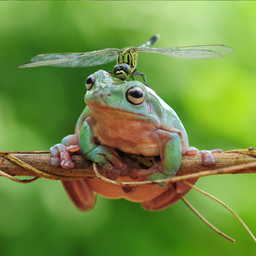
Wet Gardens Also Support Wildlife
Moist native gardens often attract:
- Frogs
- Toads
- Dragonflies
- Songbirds
- Beneficial insects
- Native pollinators
These creatures play important roles in maintaining healthy ecosystems and natural pest balance.
Adding:
- Shallow water sources
- Native grasses
- Layered plantings
- Leaf litter
- Shrubs for shelter
can help create amphibian-friendly habitats and bird-friendly landscapes throughout your garden.
The National Wildlife Federation Garden for Wildlife Program provides excellent information about creating backyard habitats that support birds, pollinators, and wildlife using native plants.
A More Natural Approach to Water
One of the most beautiful shifts in native gardening is learning to work with the natural conditions of your property instead of constantly trying to change them.
Wet spots do not always need to be “fixed.”
Sometimes they simply need the right plants.
And when planted thoughtfully, those spaces can become some of the most alive, peaceful, and ecologically valuable parts of the garden.
Coming Next:
👉 Native Michigan Plants for Sunny, Dry Areas That Are Difficult to Grow
If you enjoyed this one, you’ll love this one too:
👉Simple Garden Tips for Michigan Gardeners that Actually Work!