
Best Native Plants That Thrive In a Michigan Shade Garden
If you are trying to figure out the best native plants for Michigan shade, you are not alone.
Shady areas can feel tricky at first, especially beneath mature trees, along the north side of a home, near fences, or in those quiet corners of the yard where sunlight only filters through for part of the day.
But in many ways, shade gardens are some of the most peaceful and rewarding spaces to create.
In Michigan, many native woodland plants naturally thrive in lower-light conditions. These plants are already adapted to the filtered sunlight, seasonal moisture, leaf litter, and changing temperatures found in woodland environments.
With the right native plant species, a shady garden bed can become a calm, layered space filled with texture, movement, pollinators, birds, frogs, toads, and quiet seasonal beauty.
If you are new to Michigan gardening, these shade-loving native plants are a beautiful place to begin.
Quick Answer: Best Native Plants for Michigan Shade?
Some of the best native plants for Michigan shade gardens include wild geranium, foamflower, wild columbine, Solomon’s seal, lady fern, woodland phlox, wild ginger, Jacob’s ladder, Virginia bluebells, and Pennsylvania sedge.
These native woodland plants grow well in partial shade to full shade and can help create a low-maintenance garden that supports pollinators, birds, beneficial insects, and healthier backyard habitat.
Why Native Woodland Plants Thrive in Michigan
Native woodland plants evolved in shaded forests, woodland edges, and natural Michigan landscapes.
That means many of them are already adapted to filtered sunlight, rich woodland soil, leaf litter, seasonal moisture changes, and Michigan’s fluctuating temperatures.
Because they belong here naturally, many native shade plants become surprisingly low maintenance once established.
They do not need to be forced into the landscape.
They simply need to be placed where they are most likely to thrive.
Native woodland plants also offer more than beauty.
They can provide early-season nectar and pollen, shelter for beneficial insects, soft cover for frogs and toads, seeds for birds, and a more natural connection between your garden and the living world around it.
For helpful Michigan shade garden guidance, Michigan State University Extension’s shady lawn alternatives includes native shade options and reminds gardeners that shady areas can be well-suited for native plants.
Understanding Shade in a Michigan Garden
Not all shade is the same.
Before choosing plants, spend a little time observing the kind of shade you actually have.
Partial shade usually means the area receives a few hours of direct sunlight each day, often in the morning or late afternoon.
Full shade means very little direct sunlight, but the space may still receive bright indirect light.
Dry shade is common beneath mature trees, where roots compete for moisture.
Moist shade is often found in low areas, near downspouts, along woodland edges, or in soil that holds moisture longer.
This matters because a plant that loves moist woodland soil may struggle beneath a thirsty maple tree, while a plant that handles dry shade may not want to sit in wet soil.
The more you understand your shade, the easier it becomes to choose native plants that will actually work.
When Is the Best Time to Plant Native Shade Plants in Michigan?
Early spring and early fall are often the best times to plant native shade perennials in Michigan.
Cooler temperatures and seasonal rainfall can help woodland plants establish roots before the stress of summer heat or winter cold.
Spring is especially lovely for planting woodland natives because it allows you to see where early-season growth appears and where sunlight reaches before trees fully leaf out.
Fall can also be a wonderful time to plant because the soil is still warm, the air is cooler, and plants can focus more energy on root growth.
The slower pace of shade gardening is part of its beauty.
Woodland gardens are not meant to be rushed.
They tend to settle in gently over time.
Wild Geranium
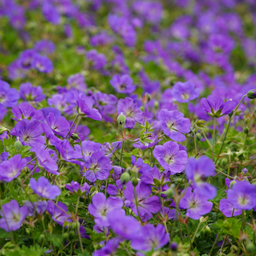
Wild geranium is one of the easiest and most beautiful native plants for Michigan shade gardens.
It produces soft lavender-pink to purple blooms in spring and early summer, bringing gentle color to woodland edges, shaded borders, and areas beneath trees.
Wild geranium grows well in partial shade and can tolerate a range of woodland garden conditions once established.
It spreads slowly and naturally, which makes it helpful for creating a softer, more relaxed garden bed without feeling aggressive.
This plant pairs beautifully with ferns, Solomon’s seal, wild ginger, woodland phlox, and other shade-loving native perennials.
Wild geranium is a lovely choice if you want a beginner-friendly native shade plant that feels graceful, natural, and easy to live with.
Foamflower
Foamflower is a delicate woodland groundcover that brings softness, texture, and spring beauty to shady spaces.
Its airy white flower spikes rise above attractive foliage, creating a light, peaceful feeling in the garden.
Foamflower prefers partial to full shade and does especially well in rich, moist, woodland-style soil.
It can be a beautiful choice for north-facing beds, shaded borders, woodland edges, and areas where you want a natural groundcover effect.
Foamflower is especially helpful for softening the front of a shade garden and filling space gently over time.
It is also one of those plants that makes a garden feel quieter and more established.
Wild Columbine
Wild columbine brings movement, color, and charm to a Michigan shade garden.
Its red and yellow flowers are graceful and distinctive, and they are especially valuable in spring when many pollinators are becoming active.
Wild columbine grows well in partial shade and can also handle sunnier edges if the soil is not too harsh.
It is a beautiful plant for woodland borders, beneath small trees, along pathways, or anywhere you want a little height and movement without heaviness.
Wild columbine is also known for attracting hummingbirds, making it a wonderful addition to a wildlife-friendly native garden.
For more ideas on supporting pollinators with regional native plants, Xerces Society’s Great Lakes native pollinator plant list is a helpful resource.
Solomon’s Seal
Solomon’s seal is one of the most elegant native plants for shaded Michigan gardens.
Its arching stems, soft green leaves, and dangling white flowers create a calm woodland feeling that is hard to duplicate with more traditional landscape plants.
Solomon’s seal does well in partial shade to full shade and prefers woodland-style soil with organic matter.
It is especially beautiful when planted in small groups where its arching form can be appreciated.
Use Solomon’s seal toward the middle or back of a shade garden to add height, structure, and graceful movement.
It pairs beautifully with ferns, wild ginger, foamflower, sedges, and spring-blooming woodland flowers.
Lady Fern
Lady fern is a classic native fern that adds softness, texture, and movement to shaded spaces.
While flowers often get most of the attention in garden design, foliage is what gives many shade gardens their peaceful feeling.
Lady fern brings that soft, feathery texture that makes woodland gardens feel lush and established.
It grows well in partial shade to full shade and appreciates moisture, especially while becoming established.
Use lady fern along shaded paths, near woodland edges, beneath trees, or among flowering native perennials.
Ferns are especially helpful when you want a garden to feel layered, natural, and calming.
Woodland Phlox
Woodland phlox is one of the loveliest spring-blooming native plants for Michigan shade.
Its soft blue to lavender flowers bring gentle color to shaded gardens just when the season is waking up.
Woodland phlox grows best in partial shade and woodland-style soil with some moisture.
It can be beautiful along the front of a bed, under small trees, or near other spring natives.
This plant is especially helpful for pollinators because it provides early-season flowers when food sources are still limited.
Woodland phlox brings a soft, romantic quality to shade gardens while still supporting a healthier backyard ecosystem.
The Lady Bird Johnson Wildflower Center Native Plant Database is useful for researching native woodland plants, bloom times, light needs, and soil preferences.
Wild Ginger
Wild ginger is a wonderful native groundcover for shady Michigan gardens.
Its heart-shaped leaves create a lush, low-growing carpet that feels peaceful and woodland-inspired.
Wild ginger is especially useful in shaded areas where you want to cover soil, soften edges, and create a more natural look.
It prefers rich, moist soil but can adapt to average woodland conditions once established.
Because its flowers are often hidden near the base of the plant, wild ginger is grown more for foliage and texture than showy blooms.
It is a beautiful companion for ferns, Solomon’s seal, foamflower, and woodland phlox.
Jacob’s Ladder
Jacob’s ladder is a charming native perennial with delicate foliage and soft spring flowers.
It can bring a light, airy quality to partial shade gardens and woodland edges.
Jacob’s ladder prefers part shade and soil that does not dry out too harshly.
It works well in small groupings and can add early-season interest before many summer plants begin to fill in.
This is a lovely choice for gardeners who want something gentle, pretty, and naturally suited to a quieter garden space.
Virginia Bluebells
Virginia bluebells are a beautiful spring ephemeral for moist, shaded gardens.
Their soft blue flowers feel almost magical in early spring, especially when planted in a woodland-inspired setting.
Because Virginia bluebells go dormant after blooming, they are best planted with other native perennials that can fill in later in the season.
They are especially lovely near ferns, sedges, wild geranium, and other woodland plants.
Virginia bluebells are a reminder that shade gardens often have a different rhythm than sunny gardens.
Some of their beauty arrives early, quietly, and briefly.
And that is part of what makes them so special.
Pennsylvania Sedge
Pennsylvania sedge is a beautiful grass-like native plant that works especially well in dry shade.
This is helpful because dry shade is one of the most challenging conditions in many Michigan yards, especially under mature trees.
Pennsylvania sedge can create a soft, natural-looking ground layer and works well as an alternative to struggling lawn in shaded areas.
It can also help tie a woodland garden together by adding fine texture and movement.
Use it near trees, along shaded edges, or as a soft matrix between flowering native plants.
Best Native Plants for Dry Shade in Michigan
Dry shade can be challenging because plants must handle both lower light and competition from tree roots.
Good native options for dry shade may include Pennsylvania sedge, wild geranium, wild columbine, Solomon’s seal, and wild ginger once established.
The key is to water carefully during the first year while plants are getting established.
Even drought-tolerant native plants need support in the beginning.
Adding leaf mulch or natural organic matter can also help protect soil moisture and create a more woodland-like environment.
Best Native Plants for Moist Shade in Michigan
Moist shade opens the door to a slightly different group of native woodland plants.
Foamflower, lady fern, woodland phlox, Virginia bluebells, and other moisture-loving woodland plants may be happier in these conditions.
Moist shade can be found near woodland edges, low spots, rain gardens, shaded downspout areas, or places where soil naturally holds water longer.
The goal is to choose plants that match the moisture level you already have rather than constantly trying to change the site.
Tips for Planting Beneath Trees
Planting beneath mature trees can be beautiful, but it takes care.
Tree roots often compete heavily for water and nutrients, and digging too aggressively can damage the tree.
When planting under trees, choose smaller native plants, disturb the soil as little as possible, and avoid piling mulch against the trunk.
Start with young plants rather than large containers when possible.
Water new plantings regularly while they establish, especially during dry periods.
Over time, the right native woodland plants can soften the area beneath trees and turn a difficult space into one of the most beautiful parts of the garden.
Plant in Layers for a Natural Woodland Look
One of the secrets to designing a beautiful Michigan shade garden is layering.
Woodland gardens are not flat.
They include different plant heights, textures, and seasonal rhythms.
You might use taller plants like Solomon’s seal toward the back or center of a bed.
Mid-height plants like wild geranium, wild columbine, and Jacob’s ladder can fill the middle layer.
Lower plants like foamflower, woodland phlox, wild ginger, and Pennsylvania sedge can soften the front edge and cover the ground.
Ferns can weave through the garden to add texture and movement.
Layering creates a garden that feels peaceful, full, and natural.
It also creates shelter and habitat for birds, pollinators, frogs, toads, and beneficial insects.
How Shade Gardens Support Pollinators
Many people think pollinator gardens need full sun, but shade gardens can still support pollinators.
Native woodland flowers often bloom in spring when pollinators are beginning to search for food.
Plants like wild columbine, woodland phlox, wild geranium, foamflower, and Virginia bluebells can offer nectar and pollen during an important part of the growing season.
Shade gardens can also provide shelter, moisture, and safer resting places for beneficial insects.
The key is to include a variety of native plants and avoid unnecessary pesticide use.
A shady corner may seem quiet to us, but to a pollinator, it can still be valuable habitat.
How Shade Gardens Support Birds
A native shade garden can also support birds in meaningful ways.
Birds need more than birdseed.
They need insects, seeds, shelter, nesting spaces, and layered plantings that help them feel protected.
Native plants support the insects many birds rely on, especially when feeding their young.
Leaving some seed heads, leaf litter, and natural cover can make a shade garden even more helpful.
If you want to choose plants that support local birds, the Audubon Native Plants Database is a wonderful place to search by location.
How Shade Gardens Support Frogs and Toads
Shade gardens can be especially helpful for frogs and toads because they often provide cooler temperatures, moisture, shelter, and insects for food.
A more amphibian-friendly shade garden might include native plants, leaf litter, natural mulch, shallow water, logs or stones for shelter, and reduced pesticide use.
Frogs and toads are sensitive to chemicals and environmental changes, so a gentler garden can make a meaningful difference.
You do not need to create a complicated habitat.
Sometimes the simplest choices matter most.
Less pesticide.
More cover.
More moisture.
More life.
The National Wildlife Federation Native Plant Finder can help you explore native plants that support butterflies, moths, and wildlife in your area.
A Simple Native Shade Garden Combination
If you are just getting started with a small Michigan shade garden, you might begin with a simple combination like this:
Wild geranium for spring flowers and easy care.
Solomon’s seal for graceful height and structure.
Lady fern for soft texture and movement.
Foamflower for a gentle groundcover effect.
Woodland phlox for early-season color and pollinator support.
Pennsylvania sedge for a soft, natural ground layer.
This combination creates a calm woodland feeling without becoming overwhelming.
It also gives you flowers, foliage, texture, movement, and habitat value in one simple planting plan.
A Calm and Natural Space
Shade gardens have a quiet beauty.
They invite you to slow down, notice texture, and appreciate subtle color in a different way than sunny gardens do.
When planted with native species, a shady space can become much more than a difficult corner of the yard.
It can become habitat for pollinators.
Shelter for birds.
A soft landing place for frogs and toads.
A low-maintenance retreat.
A natural extension of Michigan’s woodland beauty.
And over time, the garden begins to feel less like something designed and more like something discovered.
That is one of the reasons I love native shade gardens so much.
They remind us that even the quietest spaces can be full of life.
Frequently Asked Questions About Michigan Shade Gardens
What native plants grow best in shade in Michigan?
Some of the best native plants for Michigan shade gardens include wild geranium, foamflower, wild columbine, Solomon’s seal, lady fern, woodland phlox, wild ginger, Jacob’s ladder, Virginia bluebells, and Pennsylvania sedge.
Can pollinator plants grow in shade?
Yes. Many native woodland flowers support pollinators in partial shade. Spring-blooming plants like wild columbine, woodland phlox, wild geranium, foamflower, and Virginia bluebells can provide valuable early-season nectar and pollen.
Are shade gardens lower maintenance?
Shade gardens can be lower maintenance when the right plants are chosen for the right conditions. They may have fewer weeds than sunny beds, but dry shade beneath mature trees may still require careful watering while plants establish.
What grows well under trees in Michigan?
Native woodland plants are often the best choice beneath trees in Michigan. Good options may include wild geranium, Solomon’s seal, wild ginger, Pennsylvania sedge, foamflower, ferns, and woodland phlox, depending on moisture and root competition.
Do shade gardens help birds?
Yes. Native shade gardens can support birds by providing insects, seeds, shelter, nesting areas, and layered cover. Native plants are especially valuable because they support the food web birds depend on.
Do shade gardens help frogs and toads?
Yes. Shade gardens can help frogs and toads by providing cooler temperatures, moisture, shelter, leaf litter, insects for food, and reduced chemical exposure.
What is the easiest native shade plant for beginners?
Wild geranium is one of the easiest native shade plants for Michigan beginners because it is adaptable, beautiful, and gently spreading. Lady fern, Solomon’s seal, and foamflower are also excellent choices when matched to the right site conditions.
Coming Next
How to Create a Pollinator-Friendly Garden in Michigan
You may also enjoy:
👉🏻 How to Design a Simple Native Garden in Michigan for Beginners