
Michigan Native Plants In the Wild — Look, But Don’t Touch
There’s something truly magical about discovering native wildflowers while walking through Michigan’s forests, wetlands, and woodland trails.
A single bloom tucked beneath towering trees can stop you in your tracks. Some of these plants appear for only a short time each year, quietly reminding us how special Michigan’s natural landscapes truly are.
But as beautiful as these wildflowers are, many of them are also incredibly fragile—and some are protected by Michigan law.
One of the most important things we can do as nature lovers and gardeners is learn how to appreciate these plants responsibly while helping preserve them for future generations.
The Beauty and Fragility of Michigan’s Native Orchids
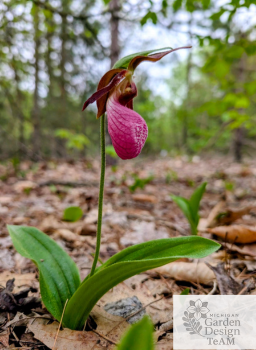
The image above features one of Michigan’s most beloved native wildflowers: the Pink Lady’s Slipper Orchid (Cypripedium acaule).
With its soft pink bloom and almost storybook-like appearance, it’s easy to understand why people are so captivated by it.
What many people don’t realize, however, is that native orchids are extremely sensitive to disturbance. They depend on very specific soil conditions and underground fungal relationships that can take years to establish.
In fact, transplanting them almost always results in the plant dying.
All native orchids in Michigan are protected, and they are best admired exactly where they grow naturally.
Protected Wildflowers in Michigan
Michigan law protects several native plant species and groups of plants, including:
- Native orchids (including Lady’s Slippers)
- Native trilliums
- Club mosses
- Gentians
- Trailing arbutus
- Wild hyacinth
- North American lotus (threatened species)
Many of these plants grow slowly and are increasingly vulnerable to:
- Habitat loss
- Overcollection
- Soil disturbance
- Changes in moisture and woodland ecosystems
These native plants are an important part of Michigan’s biodiversity and play meaningful roles in supporting pollinators, birds, beneficial insects, and healthy ecosystems.
Why Native Wildflowers Matter
Native wildflowers do far more than create beautiful woodland scenes.
They help:
- Support native bees and butterflies
- Provide food and shelter for wildlife
- Stabilize soil
- Maintain healthy ecosystems
- Preserve Michigan’s natural heritage
Many native pollinators evolved alongside these plants and rely on them for survival.
Protecting native wildflowers helps protect entire ecosystems.
Responsible Ways to Enjoy Native Wildflowers
One of the best ways to appreciate Michigan’s native wildflowers is simply to slow down and observe them in their natural habitats.
Instead of picking or digging plants, consider:
- Taking photographs
- Learning plant identification
- Visiting nature preserves and trails
- Supporting native plant conservation efforts
- Purchasing nursery-propagated native plants from reputable growers
A good rule to remember is:
Look, photograph, appreciate—but leave them where they belong.
Support Conservation Efforts
If you’d like to learn more about protected native plants and conservation in Michigan, these are excellent resources:
Preserving the Beauty of Michigan
Part of what makes Michigan so special is the quiet beauty hidden within its forests, wetlands, and trails.
As gardeners and nature lovers, we have an opportunity not only to enjoy these spaces, but to help protect them.
Sometimes the best thing we can do is simply pause, admire what’s growing around us, and leave it exactly as nature intended.
🌿 Nature Notes from Michigan Garden Design
This educational feature is part of an ongoing series from Michigan Garden Design exploring native plants, pollinators, wildlife habitats, and the quiet ecological relationships unfolding all around us.
Wildflowers are more than beautiful moments along a trail or woodland path. They are part of a living ecosystem — feeding pollinators, supporting wildlife, and helping nature thrive season after season.