
How to Create a Pollinator Habitat in Michigan: It’s More Than Just Flowers
The Missing Piece Many Gardeners Don’t Realize
Every garden has a story. Nature Notes helps you discover it.
Welcome to Nature Notes from Michigan Garden Design, an ongoing educational series exploring the remarkable relationships between Michigan’s native plants, pollinators, birds, amphibians, and the countless forms of life that quietly shape the landscapes around us.
Whether you’re just beginning your native gardening journey or have spent years enjoying the outdoors, my hope is that each issue helps you discover something you may never have noticed before, and inspires you to see your own garden through new eyes.
Most gardeners know pollinators need flowers.
But what if flowers are only part of the story?
Walk through any garden center in spring and you’ll find plants labeled “Pollinator Friendly.” Bees, butterflies, and hummingbirds appear on plant tags everywhere. And that’s wonderful. More people than ever are planting flowers to help wildlife.
But there’s something many gardeners don’t realize:
Pollinators need much more than nectar.
In fact, some of the most important plants in a pollinator garden aren’t there to feed adult butterflies at all.
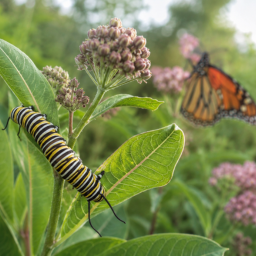
They’re there to feed caterpillars.
And that changes everything.
🐝 If you’re just beginning your journey, my article on How to Create a Pollinator-Friendly Garden will help you design a welcoming space before you begin selecting plants.
Pollinator Gardens Are a Wonderful Beginning
The movement toward pollinator gardening has done tremendous good.
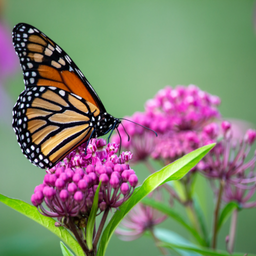
Every year, more homeowners are planting flowers that provide nectar and pollen for:
- bees
- butterflies
- hummingbirds
- moths
- beneficial insects
These gardens bring color, movement, and life to our landscapes.
But flowers are only one chapter in a much larger story.
To truly support pollinators, we have to think beyond the adult insects we see flying from bloom to bloom.
We have to think about what happens before they can fly.
The Difference Between Nectar Plants and Host Plants
This is where many gardeners experience their first “aha” moment.
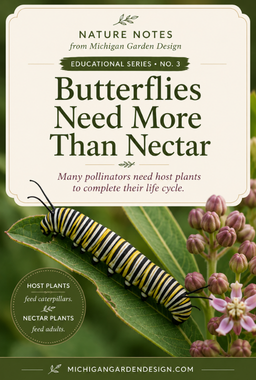
A nectar plant feeds an adult butterfly.
A host plant feeds its caterpillars.
Without host plants, butterflies may visit your garden.
But they often cannot raise the next generation there.
That means a garden can attract butterflies without actually helping butterfly populations grow.
If you’re wondering how all of these pieces fit together, How to Design a Simple Native Garden in Michigan walks you through the process one step at a time.
The Monarch Butterfly’s Secret
Monarch butterflies are one of Michigan’s most beloved pollinators.
Adult monarchs visit many flowers for nectar.
But their caterpillars can only survive on milkweed.
Only milkweed.
Without milkweed, monarch butterflies cannot complete their life cycle.
Suddenly that native plant becomes much more than a flower.
It becomes:
- a nursery
- a food source
- a shelter
- a survival system
And monarchs are not alone.
Many butterflies and moths rely on specific host plants that have supported them for thousands of years.
If you’re looking for additional native flowers that support pollinators throughout the season, you’ll also enjoy The Best Native Michigan Plants for Bees and Butterflies.
Native Bees Need More Than Flowers, Too
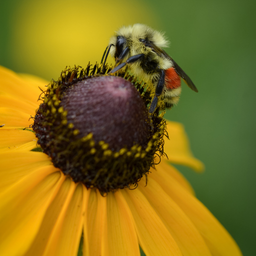
When most people think about bees, they picture honeybees.
But Michigan is home to hundreds of native bee species.
Many are tiny.
Many live alone.
Many nest in the ground.
And some rely heavily on specific native plants.
These relationships developed over thousands of years.
Plants and pollinators evolved together.
One adapted to the other.
That’s one reason native plants are so valuable in pollinator gardens.
They’re already perfectly matched to local wildlife.
Birds Depend on Pollinators More Than You Might Think
Here’s another surprising connection.
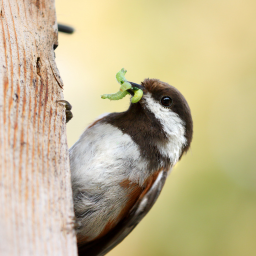
Many songbirds depend on caterpillars to raise their young.
A pair of chickadees may gather thousands of caterpillars while raising a single brood of babies.
Think about that for a moment.
Thousands.
Which means:
Native plants support caterpillars.
Caterpillars support birds.
Birds support healthy ecosystems.
Suddenly a single native plant becomes part of an incredible chain of life.
Habitat isn’t limited to sunny flower beds. Woodland gardens provide important shelter and food for wildlife as well. If you garden beneath mature trees, you may enjoy Best Native Plants for Michigan Shade Gardens.
Pollinator Gardens Become Habitat Gardens
This is often the turning point for gardeners.
The goal shifts from:
“I want butterflies.”
to
“I want a garden that supports life.”
And that’s where native plants truly shine.
Because they don’t just provide nectar.
They support:
- pollinators
- native bees
- caterpillars
- birds
- beneficial insects
- wildlife habitats
- healthy ecosystems
They’re part of a much larger story.
One way to keep pollinators returning is by planting species that bloom from spring through fall. You’ll find many excellent choices in The Best Native Michigan Plants That Bloom All Summer.
The Most Important Takeaway
Pollinator gardens are wonderful.
Native plants simply help them do even more.
You don’t need to remove every non-native plant from your landscape.
You don’t need to transform your entire yard overnight.
Adding even a few native plants can dramatically increase the ecological value of your garden.
And every step matters.
Because every flower, caterpillar, bee, bird, and butterfly is connected in ways we’re only beginning to understand.
Frequently Asked Questions
Aren’t all flowers good for pollinators?
Many flowers provide nectar and pollen, which is valuable. However, native plants often provide additional benefits such as host plant support, nesting habitat, and long-standing ecological relationships with local wildlife.
What is a host plant?
A host plant is a plant where butterflies and moths lay their eggs and where caterpillars feed and grow. Without host plants, many pollinators cannot complete their life cycle.
Why is milkweed so important?
Milkweed is the only plant monarch caterpillars can eat. Without milkweed, monarch butterflies cannot reproduce successfully.
Do native bees use the same flowers as honeybees?
Sometimes. However, many native bee species have evolved alongside native plants and often benefit most from diverse native plantings.
Can I create a pollinator garden without using only native plants?
Absolutely. Many gardeners begin by adding just a few native species to existing gardens. Even small additions can provide meaningful ecological benefits.
🌿 Continue Exploring
Every Nature Note is just the beginning of the story. If today’s article sparked your curiosity, these trusted organizations offer wonderful opportunities to continue exploring Michigan’s native plants, pollinators, birds, and wildlife.
Michigan State University Extension
Science-based gardening advice created specifically for Michigan gardeners.
Xerces Society
One of the nation’s leading organizations for pollinator conservation and habitat creation.
Monarch Joint Venture
Excellent information about monarch butterflies, milkweed, and migration.
Lady Bird Johnson Wildflower Center
An outstanding native plant database and educational resource.
Cornell Lab of Ornithology
Learn how native plants support birds throughout the year.
🌿 Coming Up in Nature Notes
Educational Series • No. 4
Native Bees in Michigan: The Pollinators You’ve Probably Never Noticed
The Secret Life of Native Bees
Michigan is home to hundreds of native bee species, yet most gardeners never notice them. In our next Nature Note, we’ll discover who they are, where they live, and why they’re some of the most important pollinators quietly working in our gardens every day.
🌿 A Final Thought
One native plant can feed a caterpillar.
One caterpillar can feed a chickadee.
One healthy garden can become part of something much larger than itself.
The more we learn about nature, the more we discover that every living thing is connected—and every garden has the potential to make a difference.
Until next time, keep noticing nature.
With appreciation,
Barbara Fleury
Founder, Michigan Garden Design