
How to Create a Pollinator-Friendly Garden in Michigan
There’s something magical about a garden that feels alive.
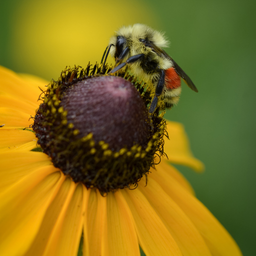
The gentle hum of bees moving from flower to flower. Butterflies drifting through the sunlight. Birds stopping to rest and explore.
A pollinator-friendly garden does more than add beauty to your yard—it helps support the future of Michigan’s ecosystems while creating a peaceful outdoor space that feels connected to nature.
And the best part?
Creating a pollinator garden in Michigan is much simpler than many people think.
Whether you have a large backyard, a small garden bed, or even a sunny corner near your porch, adding native Michigan plants can make a meaningful difference for bees, butterflies, hummingbirds, beneficial insects, birds, and even amphibians.
What Is a Pollinator-Friendly Garden?
A pollinator garden is designed to support:
- Bees
- Butterflies
- Hummingbirds
- Beneficial insects
- Native birds
- Other important wildlife
These creatures play a critical role in helping plants reproduce and ecosystems thrive.
By creating even a small pollinator-friendly habitat, you help provide:
- Nectar
- Pollen
- Shelter
- Nesting areas
- Water sources
- Seasonal food for wildlife
Pollinator gardens also create healthier ecosystems by supporting biodiversity throughout Michigan landscapes.
Why Native Michigan Plants Matter
Native Michigan plants are one of the most important parts of a healthy pollinator garden.
Because pollinators evolved alongside these plants, they naturally recognize them as food and habitat sources.
Native plants also:
- Require less maintenance
- Need less water once established
- Adapt naturally to Michigan weather conditions
- Support a wider variety of beneficial insects and wildlife
- Improve long-term soil health
When you garden with native plants, you’re working with nature instead of against it.
Some excellent native Michigan pollinator plants include:
- Butterfly Weed (Asclepias tuberosa)
- Wild Bergamot (Monarda fistulosa)
- Purple Coneflower (Echinacea purpurea)
- Black-Eyed Susan (Rudbeckia hirta)
- Marsh Blazing Star (Liatris spicata)
The Lady Bird Johnson Wildflower Center Plant Database is an excellent resource for researching native plant species and growing conditions.
Choose Plants with Different Bloom Times
One of the easiest ways to support pollinators throughout the growing season is to include plants that bloom at different times.
This helps ensure there is always a food source available from spring through fall.
A healthy Michigan pollinator garden should include:
- Early spring blooms
- Summer flowers
- Late-season nectar sources
Continuous blooms are especially important for migrating monarch butterflies and native bee populations.
The Xerces Society for Invertebrate Conservation provides excellent information about creating pollinator-friendly habitats and supporting declining pollinator populations.
Include a Variety of Flower Shapes
Different pollinators are attracted to different flower structures.
For example:
- Bees often love cone-shaped flowers
- Butterflies prefer flat landing surfaces
- Hummingbirds are drawn to tubular blooms
A mix of flower types creates a more welcoming and diverse habitat while adding texture and visual interest to your garden design.
Avoid Pesticides Whenever Possible
Many pesticides harm beneficial insects along with unwanted pests.
One of the best things you can do for pollinators is to reduce or eliminate chemical treatments whenever possible.
Instead:
- Focus on healthy soil
- Encourage biodiversity
- Allow natural balance to develop over time
- Invite beneficial insects into the garden
A healthy ecosystem is often surprisingly self-regulating.
The National Wildlife Federation Garden for Wildlife Program offers excellent information about creating natural backyard habitats that support pollinators, birds, and wildlife.
Add Water and Shelter for Wildlife
Pollinators need more than flowers alone.
Simple additions can make a huge difference:
- A shallow dish of water with stones for landing
- Native grasses for shelter
- Leaf litter left in garden beds
- Small brush piles for habitat
- Bird-friendly shrubs and trees
- Moist garden areas that support amphibians
Even small habitat features can help support frogs, toads, beneficial insects, birds, and other wildlife throughout Michigan gardens.
Don’t Worry About Perfection
One of the most beautiful things about pollinator gardens is that they don’t need to feel overly formal or perfectly manicured.
In fact, a slightly more natural look often creates a healthier habitat.
Allow your garden to:
- Move naturally
- Change with the seasons
- Grow a little wild in places
- Develop layered textures over time
That’s where much of the beauty lives.
A Garden Full of Life
Pollinator gardens invite us to slow down and notice the world around us.
They remind us that gardening is about more than appearance—it’s about connection.
And even the smallest garden can become:
- A refuge for wildlife
- A source of beauty
- A peaceful retreat
- A meaningful contribution to Michigan’s natural environment
When we plant with pollinators and native ecosystems in mind, we help preserve the beauty and biodiversity that make Michigan so special.
Coming Next
Best Native Michigan Plants for Pollinators
If you’re new at native gardening, you may also enjoy reading:
Pingback: Beautiful Ground Covers That Thrive in Michigan - michigangardendesign.com