
Meet the Tiny Garden Superheroes & Villains Living in Your Backyard
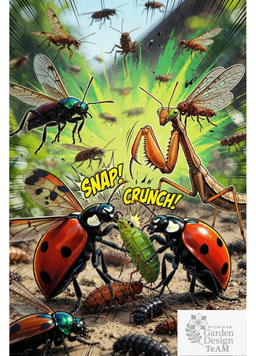
Common Garden Pests and Helpful Insects in Michigan
Meet the Tiny Garden Superheroes & Villains Living in Your Backyard
If you’ve ever walked through your Michigan garden and spotted something crawling, buzzing, hopping, or flying, chances are you’ve had one of two reactions:
“OH NO. What IS that?!”
—or—
“Awww… look at the little guy!”
The truth is, Michigan gardens are filled with tiny creatures doing all kinds of important work behind the scenes. Some insects help pollinate flowers, protect plants from pests, improve soil health, and support healthy pollinator gardens. Others? Well… let’s just say they’re not exactly team players.
The fun part is learning the difference.
Because not every creepy-crawly is a villain.
In fact, many of the insects people fear most are actually beneficial insects quietly helping gardens thrive naturally.
So let’s head into the tiny world beneath the leaves and discover who’s helping your garden grow… and who may be causing trouble.
Why Helpful Insects Matter in Michigan Gardens
Healthy gardens are full of life.
Bees pollinate flowers. Ladybugs hunt aphids. Hoverflies help control pests. Ground beetles patrol the soil after dark. Even dragonflies help reduce mosquito populations around ponds and amphibian-friendly gardens.
When gardeners plant native flowers, reduce pesticides, and create pollinator-friendly habitats, beneficial insects often move in naturally.
And that’s where the magic begins.
Because a healthy Michigan garden isn’t just beautiful.
It becomes part of a living ecosystem.
The Garden Heroes 🦸♀️🐞
These are the beneficial insects you WANT in your garden.
They pollinate flowers, eat destructive pests, recycle nutrients, and help keep nature in balance.
Ladybugs
Tiny Aphid-Eating Machines
Those adorable red beetles with black spots?
Absolute garden legends.
A single ladybug can eat dozens of aphids per day, helping protect flowers, vegetables, and native plants naturally.
Even their larvae are fierce little hunters.
Why They Matter:
- Eat aphids
- Help control harmful insects
- Reduce the need for pesticides
Garden Status:
HERO
Praying Mantises
The Silent Garden Ninjas
Praying mantises look like tiny aliens and hunt like martial arts masters.
They patiently wait for prey, then SNAP — lunch is served.
They eat:
- flies
- moths
- beetles
- caterpillars
- and sometimes even other predators
They’re fascinating to watch and help control many pest populations.
Why They Matter:
- Natural pest control
- Incredible hunters
- Help balance insect populations
Garden Status:
HERO (with a slightly dramatic personality)
Bees
The Pollinator Powerhouses
Without bees, many flowers, fruits, and vegetables would struggle to reproduce.
Michigan is home to hundreds of native bee species — many of which are gentle and rarely sting.
Some are tiny.
Some are fuzzy.
Some nest underground.
Some sleep inside flowers.
And all of them are important.
Native bees especially benefit from native plant gardens because many evolved alongside Michigan’s native wildflowers over thousands of years.
Why They Matter:
- Pollinate plants
- Support food production
- Help ecosystems thrive
Garden Status:
SUPERHERO
Ground Beetles
The Night Shift Patrol
These shiny beetles spend their evenings hunting harmful insects hiding in the soil.
They help control:
- slugs
- caterpillars
- cutworms
- harmful larvae
Most gardeners never even notice them because they work quietly after dark.
Why They Matter:
- Eat garden pests
- Improve natural balance
- Reduce plant damage
Garden Status:
UNDERCOVER HERO
Hoverflies
The Bee Imposters
At first glance, hoverflies look like tiny bees or wasps.
But unlike wasps, they don’t sting.
Their larvae LOVE eating aphids.
The adults also pollinate flowers while hovering around blooms like tiny helicopters.
Why They Matter:
- Pollinate flowers
- Eat aphids
- Completely harmless to humans
Garden Status:
SECRET HERO
The Garden Troublemakers 😈🐛
Not every insect is helpful.
Some insects damage plants, spread disease, or reproduce so quickly they overwhelm gardens.
The good news?
A healthy garden ecosystem often keeps many pests under control naturally.
Aphids
The Sap-Sucking Swarmers
These tiny insects gather on stems and leaves, sucking nutrients from plants.
Too many aphids can weaken plants quickly.
The GOOD news?
Ladybugs and hoverflies love eating them.
Signs:
- curled leaves
- sticky residue
- clusters of tiny bugs
Garden Status:
MINI VILLAIN
Japanese Beetles
Beautiful…but Destructive
Michigan gardeners know these shiny metallic beetles all too well.
Japanese beetles feast on:
- roses
- grape vines
- beans
- flowers
- leaves
They skeletonize foliage, leaving plants looking lacy and damaged.
Why They’re a Problem:
- Eat many garden plants
- Arrive in large numbers
- Can quickly damage flowers and leaves
Garden Status:
CHAOTIC VILLAIN
Cabbage Worms
Tiny Green Leaf Destroyers
Cute? Maybe.
Helpful? Not exactly.
These little green caterpillars LOVE:
- cabbage
- kale
- broccoli
- Brussels sprouts
And they can chew through leaves surprisingly fast.
Signs:
- holes in leaves
- green droppings
- disappearing vegetables
Garden Status:
LEAF MUNCHING MENACE
Mosquitoes
The Backyard Vampires
Mosquitoes aren’t just annoying.
They can spread disease and make outdoor spaces miserable.
But healthy ecosystems help keep mosquito populations lower naturally through:
- dragonflies
- birds
- frogs
- bats
- beneficial insects
Nature loves balance.
This is one reason wildlife-friendly and amphibian-friendly gardens can become surprisingly balanced ecosystems over time.
Why They’re a Problem:
- bite humans
- spread disease
- breed in standing water
Garden Status:
DEFINITE VILLAIN
How to Attract Helpful Insects Naturally
One of the best ways to support beneficial insects in Michigan gardens is to create habitat for them.
Helpful insects thrive when gardens include:
- native flowering plants
- layered plantings
- reduced pesticide use
- shallow water sources
- leaf litter and natural shelter
- pollinator-friendly garden spaces
Even adding a few native perennials can dramatically increase the ecological value of a garden.
The Most Important Lesson of All 🌿
Nature was never meant to be perfectly tidy.
A healthy garden isn’t silent.
It buzzes.
Flutters.
Crawls.
Hops.
Pollinates.
Hunts.
Feeds.
Protects.
The goal isn’t to eliminate every insect.
The goal is balance.
When we plant native flowers, reduce pesticides, and create habitat, we invite the helpful insects to move in — and they often help keep the troublesome ones under control naturally.
That’s one of the most amazing things about ecological gardening.
Nature already knows what it’s doing.
Sometimes we just need to give it a little room to work its magic.
Final Thought 🐞
The next time you see a bug in the garden, pause for just a second before assuming it’s a pest.
It might just be one of your hardest-working garden helpers.
Frequently Asked Questions About Helpful Insects in Michigan Gardens
Are ladybugs good for gardens?
Yes! Ladybugs are one of the most beneficial insects found in Michigan gardens because they feed heavily on aphids and other soft-bodied pests that damage plants.
What insects help pollinate flowers?
Bees are the most well-known pollinators, but hoverflies, butterflies, moths, beetles, and even some wasps also help pollinate flowers and support healthy garden ecosystems.
How do I attract beneficial insects naturally?
Planting native flowers, reducing pesticide use, leaving some natural shelter areas, and creating pollinator-friendly habitats can all help attract beneficial insects naturally.
Are all bugs in the garden harmful?
Not at all. Many insects are essential for pollination, natural pest control, soil health, and maintaining ecological balance in Michigan gardens.
Why are native plants important for beneficial insects?
Many beneficial insects and native bees evolved alongside Michigan native plants over thousands of years. Native plants often provide better food sources, habitat, and ecological support for local pollinators and wildlife.
🌿 Nature Notes from Michigan Garden Design
This educational feature is part of an ongoing series from Michigan Garden Design exploring the fascinating relationships between native plants, pollinators, insects, wildlife, and the seasonal rhythms that bring Michigan gardens to life.
A healthy garden is filled with movement — buzzing, fluttering, hunting, pollinating, and quietly working behind the scenes in ways many of us rarely notice.
Sometimes the smallest creatures are doing some of the biggest jobs.
Until next time, keep noticing nature.
With appreciation,
Barbara Fleury
Founder, Michigan Garden Design
👉🏻 If you enjoyed this educational piece, you’ll love this one too!