
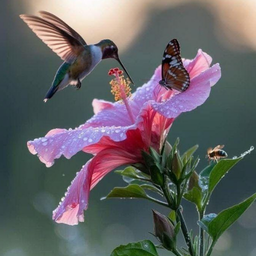
The Best Native Michigan Plants for Hummingbirds
There’s something almost magical about seeing a hummingbird dart through the garden on a warm summer evening.
One moment they’re gone…
Next, they appear like tiny flashes of emerald and ruby floating among the flowers.
Creating a garden that attracts hummingbirds isn’t just beautiful — it also helps support important pollinators while encouraging a healthier backyard ecosystem filled with movement and life.
And thankfully, many native Michigan plants naturally provide exactly what hummingbirds are searching for:
Bright tubular flowers rich in nectar, safe shelter, reliable food sources, and continuous blooms throughout the growing season.
Even better?
Many of these native plants are low-maintenance, pollinator-friendly, and beautifully suited to Michigan gardens.
🌿 Why Native Plants Matter for Hummingbirds
Hummingbirds evolved alongside native plants over thousands of years.
Many native flowers provide:
- The nectar hummingbirds depend on
- Bloom timing that aligns with migration
- Habitat for insects hummingbirds also eat
- Shelter and nesting support
- Safe food sources throughout summer
By planting native Michigan species, you help create a healthier and more balanced habitat that supports not only hummingbirds, but butterflies, bees, songbirds, beneficial insects, amphibian-friendly ecosystems, and backyard biodiversity as well.
The National Audubon Society Native Plants Database is an excellent resource for learning more about bird-friendly native plant habitats.
1. Cardinal Flower (Lobelia cardinalis)
One of the BEST native Michigan plants for attracting hummingbirds.
Why hummingbirds love it:
- Brilliant scarlet-red blooms
- Tubular flowers perfectly shaped for hummingbirds
- Long blooming period
- Excellent late-summer nectar source
Best conditions:
- Partial sun to full sun
- Moist soil
Cardinal Flower creates stunning color in the garden while becoming a true hummingbird magnet and pollinator favorite.
2. Wild Columbine (Aquilegia canadensis)
A graceful woodland native that often blooms earlier than many other hummingbird plants.
Why it works:
- Delicate red and yellow flowers
- Early nectar source
- Perfect flower shape for hummingbirds
- Excellent for partial shade gardens
Best conditions:
- Partial shade to sun
- Well-drained soil
Wild Columbine brings softness and movement to natural Michigan landscapes while helping provide important early-season nectar.
3. Bee Balm (Monarda fistulosa)
One of the most valuable native pollinator plants you can grow.
Why hummingbirds love it:
- Nectar-rich blooms
- Long flowering season
- Fragrant foliage
- Pollinator powerhouse
Best conditions:
- Full sun to partial shade
- Average soil
Bee Balm fills summer gardens with motion, color, butterflies, bees, and hummingbirds while creating beautiful pollinator-friendly landscapes.
4. Great Blue Lobelia (Lobelia siphilitica)
A beautiful native plant that adds rich blue tones to late-season gardens.
Why it’s valuable:
- Late blooming nectar source
- Supports hummingbirds and native bees
- Thrives in moist conditions
- Excellent companion to Cardinal Flower
Best conditions:
- Partial sun to full sun
- Moist soil
Its striking blue flowers create dramatic contrast in native Michigan gardens while helping extend nectar availability later into the season.
5. Obedient Plant (Physostegia virginiana)
An underused native perennial with soft pink flower spikes hummingbirds adore.
Why it works:
- Long bloom period
- Tubular flowers
- Adds vertical height
- Cottage-garden appearance
Best conditions:
- Full sun to partial shade
- Moist to average soil
Obedient Plant helps create relaxed naturalistic gardens filled with pollinator activity throughout summer.
6. Trumpet Honeysuckle (Lonicera sempervirens)
One of the BEST native vines for hummingbirds.
Why hummingbirds love it:
- Bright trumpet-shaped flowers
- Continuous nectar production
- Long bloom period
- Excellent vertical garden interest
Best conditions:
- Full sun to partial shade
- Average soil
Unlike invasive honeysuckles, this native species behaves beautifully in the garden while supporting birds and pollinators naturally.
7. Anise Hyssop (Agastache foeniculum)
A fragrant long-blooming favorite for pollinators and hummingbirds alike.
Why it’s wonderful:
- Soft lavender flower spikes
- Long blooming season
- Highly attractive to bees and hummingbirds
- Drought tolerant once established
Best conditions:
- Full sun
- Well-drained soil
Anise Hyssop adds softness, fragrance, and continuous pollinator activity throughout the summer garden.
🦋 More Than Just Hummingbirds
One of the beautiful things about hummingbird gardens is that they support so much more than hummingbirds alone.
These native plants also help:
- Native bees
- Butterflies
- Beneficial insects
- Songbirds
- Amphibian-friendly ecosystems
- Overall backyard biodiversity
A healthy native garden quickly becomes alive with movement and activity throughout the growing season.
The National Wildlife Federation Garden for Wildlife Program provides excellent information about creating backyard habitats that support pollinators, birds, and wildlife using native plants.
Simple Tips for Attracting More Hummingbirds
To make your garden even more inviting:
- Plant flowers in clusters
- Include blooms from spring through fall
- Avoid pesticides whenever possible
- Add shallow water sources
- Leave natural shelter nearby
- Create layered planting areas
- Allow some stems and seed heads to remain through fall and winter
Hummingbirds are especially drawn to gardens that feel layered, peaceful, and full of continuous blooms.
A Garden Full of Motion and Life
There’s something deeply calming about sitting quietly and watching hummingbirds move through a garden designed with nature in mind.
The flowers sway.
The bees hum.
Butterflies drift through the air.
And suddenly, the garden feels less like landscaping…
and more like a living ecosystem.
That’s the true beauty of native Michigan gardening.
🌿 Coming Next
👉 Native Michigan Plants That Butterflies Will Love
Want more amazing information on pollinators of all kinds? You’ll love this blog: