
The Best Plants for Dry Soil in Your Michigan Garden
Every garden seems to have that one difficult spot.
The area where the soil dries out quickly. The place along the driveway that bakes in the afternoon sun. The patch of ground that struggles no matter how much watering or attention it receives.
But instead of constantly fighting those conditions, one of the most rewarding things we can do is work with them.
Many native Michigan plants naturally thrive in sunny, dry environments. These resilient plants evolved in prairies, open meadows, sandy soils, and harsh growing conditions where they learned to survive with very little help.
And the beautiful thing?
Many of these native plants are also some of the best pollinator plants you can grow.
With the right plants, dry areas can become some of the most beautiful, low-maintenance, and wildlife-friendly parts of your Michigan garden.
Why Native Plants Thrive in Dry Michigan Conditions
Native Michigan plants have adapted over thousands of years to handle:
- Summer heat
- Dry spells
- Sandy or rocky soil
- Full sun exposure
- Temperature swings
- Periods of drought
Because of their deep root systems, many native plants:
- Require less watering once established
- Improve soil health naturally
- Help reduce erosion
- Support pollinators and wildlife
- Need less maintenance overall
Instead of struggling in difficult garden spaces, these plants often flourish there.
The Lady Bird Johnson Wildflower Center Plant Database is an excellent resource for researching native plant species and growing conditions.
1. Butterfly Weed (Asclepias tuberosa)
One of the toughest and most beautiful native Michigan plants for dry conditions.
Why it thrives:
- Extremely drought tolerant
- Loves full sun
- Thrives in sandy or poor soil
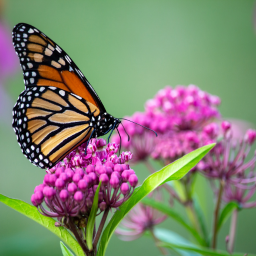
- Supports monarch butterflies
- Excellent pollinator plant
Best conditions:
- Full sun
- Well-drained soil
Its bright orange blooms become magnets for butterflies, bees, and beneficial pollinators throughout summer.
The Monarch Joint Venture offers excellent information about supporting monarch butterflies and native milkweed species.
2. Little Bluestem (Schizachyrium scoparium)
A native prairie grass that adds incredible texture and movement to sunny landscapes.
Why it thrives:
- Handles dry conditions easily
- Deep root systems stabilize soil
- Provides habitat for birds and beneficial insects
- Beautiful copper tones in fall and winter
Best conditions:
- Full sun
- Dry to average soil
Little Bluestem pairs beautifully with native wildflowers while helping create bird-friendly and pollinator-friendly habitat gardens.
3. Purple Coneflower (Echinacea purpurea)
A classic native perennial that thrives in hot, sunny conditions.
Why pollinators love it:
- Long bloom period
- Excellent nectar source
- Supports bees and butterflies
- Seed heads feed birds later in the season
Best conditions:
- Full sun
- Well-drained soil
Coneflowers are one of the easiest native plants for beginner gardeners and work beautifully in low-maintenance Michigan landscapes.
4. Prairie Dropseed (Sporobolus heterolepis)
One of the most elegant native grasses for sunny, dry landscapes.
Why it thrives:
- Extremely drought tolerant
- Soft flowing texture
- Low maintenance once established
- Beautiful fragrance when blooming
Best conditions:
- Full sun
- Dry well-drained soil
Prairie Dropseed adds softness, movement, and natural structure to native garden designs.
5. Black-Eyed Susan (Rudbeckia hirta)
A cheerful native flower that handles difficult growing conditions surprisingly well.
Why it thrives:
- Tolerates heat and dry soil
- Long blooming season
- Excellent nectar source for pollinators
- Easy to grow and establish
Best conditions:
- Full sun
- Adaptable to many soil types
Its bright golden blooms bring warmth, movement, and long-lasting color to sunny garden spaces.
6. Wild Bergamot (Monarda fistulosa)
A pollinator favorite with soft lavender blooms and fragrant foliage.
Why it thrives:
- Handles dry conditions once established
- Attracts bees, butterflies, and hummingbirds
- Adds movement and texture
- Supports native pollinators
Best conditions:
- Full sun to partial shade
- Average to dry soil
Wild Bergamot creates a natural meadow-like feel while supporting healthy pollinator populations.
Dry Gardens Can Still Be Full of Life
Sunny dry gardens are often some of the best habitats for:
- Native bees
- Butterflies
- Songbirds
- Beneficial insects
- Pollinators
- Small wildlife
Adding native plants to difficult sunny areas helps create:
- Pollinator-friendly landscapes
- Bird habitat
- Low-maintenance garden spaces
- Drought-tolerant landscapes
- Healthier ecosystems
Even harsh conditions can become beautiful when planted thoughtfully.
A Different Way to Look at Difficult Areas
One of the most freeing things about native gardening is realizing that difficult areas do not always need to be heavily amended, overwatered, or constantly managed.
Sometimes the answer is simply choosing plants that already know how to thrive there.
And often, those spaces become some of the most beautiful, resilient, and ecologically rich parts of the garden.
Coming Up Next:
👉 Native Michigan Ground Covers for Easy, Low-Maintenance Gardens
Are you new to our Blog? Check this favorite out!