
The Best Native Michigan Plants That Bloom All Summer
One of the most beautiful things about a summer garden is watching all the plants continuously change and come alive week after week.
Bees drifting through the blooms. Butterflies fluttering across the garden. Birds moving from plant to plant as everything sways gently in the warm Michigan breeze.
But many gardeners experience the same frustration every year:
A burst of blooms early in the season…followed by long stretches where the garden suddenly feels tired and quiet.
That’s where thoughtfully chosen native Michigan plants can make such a difference.
Many native perennials continue blooming throughout much of the summer while also supporting pollinators, birds, beneficial insects, and healthy ecosystems.
And the beautiful thing?
These plants are often easier to maintain because they are naturally adapted to Michigan’s climate and growing conditions.
Why Long-Blooming Native Plants Matter
Native Michigan plants do far more than create beautiful gardens.
They also help:
- Support pollinators throughout the growing season
- Provide nectar during hot summer months
- Create habitat for birds and beneficial insects
- Improve biodiversity
- Reduce long-term maintenance needs
- Add continuous color and movement to the landscape
By choosing plants with staggered or extended bloom periods, your garden can remain colorful, lively, and ecologically supportive from early summer well into fall.
The Xerces Society for Pollinator Conservation is an excellent resource for learning more about creating pollinator-friendly native gardens.
1. Purple Coneflower (Echinacea purpurea)
One of the most reliable long-blooming native plants for Michigan gardens.
Why gardeners love it:
- Blooms for much of the summer
- Supports bees and butterflies
- Seed heads feed birds later in the season
- Extremely easy to grow
Best conditions:
- Full sun
- Well-drained soil
Its soft purple blooms add both structure and movement to pollinator gardens while creating long-lasting seasonal color.
2. Culver’s Root (Veronicastrum virginicum)
An elegant native perennial with tall white flower spikes that seem to glow in the summer garden.
Why pollinators love it:
- Long bloom period
- Highly attractive to native bees
- Adds vertical structure and softness
- Creates movement in the landscape
Best conditions:
- Full sun to partial shade
- Moist to average soil
Culver’s Root brings a graceful prairie-inspired feeling to native Michigan gardens while supporting beneficial pollinators throughout summer.
3. Anise Hyssop (Agastache foeniculum)
A fragrant pollinator favorite with soft lavender-purple blooms.
Why it works:
- Long blooming season
- Bees absolutely love it
- Fragrant foliage
- Adds texture and softness
- Drought tolerant once established
Best conditions:
- Full sun
- Well-drained soil
Anise Hyssop creates a peaceful cottage-garden feel while filling the garden with pollinator activity all summer long.
4. Sneezeweed (Helenium autumnale)
A bright late-summer bloomer that brings warmth and color to the garden just as many other flowers begin fading.
Why pollinators love it:
- Excellent late-season nectar source
- Long-lasting blooms
- Supports butterflies and bees
- Adds rich golden tones to the landscape
Best conditions:
- Full sun
- Moist to average soil
Sneezeweed helps extend pollinator support well into late summer and early fall while adding vibrant seasonal color.
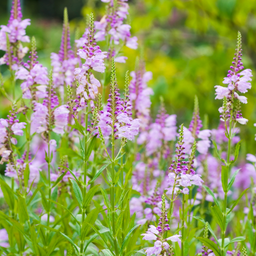
5. Obedient Plant (Physostegia virginiana)
One of the most charming native flowers for pollinator-friendly gardens.
Why it works:
- Long blooming spikes
- Attracts hummingbirds and pollinators
- Adds height and movement
- Cottage-garden appearance
Best conditions:
- Full sun to partial shade
- Moist to average soil
Its soft pink blooms create beautiful vertical texture while helping attract hummingbirds and beneficial insects.
New England Aster (Symphyotrichum novae-angliae)
A stunning late-season native perennial that supports pollinators when many other blooms are beginning to fade.
Why it’s important:
- Critical late-season nectar source
- Supports migrating monarch butterflies
- Rich purple blooms
- Excellent pollinator plant
Best conditions:
- Full sun
- Average to moist soil
New England Aster helps keep the garden colorful and alive deep into the season while providing essential food for late-season pollinators.
The Monarch Joint Venture offers excellent information about supporting monarch butterflies and pollinator habitats.
Continuous Blooms Help Pollinators Too
Gardens with long bloom periods provide important food sources throughout the growing season.
This helps support:
- Native bees
- Butterflies
- Hummingbirds
- Beneficial insects
- Pollinator populations during summer heat
- Songbirds and backyard wildlife
By planting a variety of native species with overlapping bloom times, your garden becomes a healthier, more resilient habitat that stays visually beautiful throughout the season.
A Garden That Keeps Giving
One of the most rewarding parts of native gardening is creating spaces that continue evolving throughout the season.
Long-blooming native plants help gardens feel:
- Alive
- Colorful
- Peaceful
- Full of movement
- Connected to nature
And over time, those steady waves of blooms become part of the rhythm of summer itself.
Coming Up Next:
👉 Native Michigan Plants That Attract Hummingbirds
If you enjoyed this, you’ll love this: