
Beautiful Ground Covers That Thrive in Michigan
One of the most common challenges in gardening is figuring out what to do with the spaces in between.
Bare soil. Sloped areas. Spots beneath trees. Difficult places where grass struggles or weeds seem to take over no matter how often they’re pulled.
That’s where ground covers can completely transform a garden.
And when you choose native Michigan ground covers, those spaces become more than simply “filled in.” They become living layers that help support pollinators, improve soil health, reduce maintenance, and create softer, more natural landscapes.
The beautiful thing is that many native ground covers are incredibly resilient once established and often require far less work than traditional turf grass or high-maintenance plantings.
Why Native Ground Covers Work So Well
Native Michigan ground covers evolved alongside Michigan’s forests, woodlands, prairies, and wetlands.
That means many are naturally adapted to:
- Shade
- Dry conditions
- Moist soils
- Slopes
- Woodland edges
- Michigan temperature swings
Unlike many traditional ground covers, native species also help:
- Support pollinators
- Stabilize soil naturally
- Suppress weeds over time
- Improve biodiversity
- Retain moisture
- Create habitat for beneficial insects and wildlife
And perhaps best of all?
They often create gardens that feel softer, more peaceful, and more connected to nature.
The Lady Bird Johnson Wildflower CenterPlant Database is an excellent resource for researching native Michigan-compatible plants and growing conditions.
1. Wild Ginger (Asarum canadense)
One of the best native Michigan ground covers for shade gardens and woodland landscapes.
Why it works:
- Dense heart-shaped foliage
- Suppresses weeds naturally
- Thrives beneath trees
- Low maintenance once established
Best conditions:
- Partial to full shade
- Moist woodland soil
Wild Ginger creates a lush woodland feel while helping retain soil moisture and improve soil stability.
2. Pennsylvania Sedge (Carex pensylvanica)
A beautiful native sedge that works wonderfully as a lawn alternative.
Why it works:
- Soft flowing texture
- Handles dry shade surprisingly well
- Gradually spreads over time
- Extremely low maintenance
Best conditions:
- Partial shade
- Dry to average woodland soil
Pennsylvania Sedge creates a natural woodland carpet that moves beautifully in the breeze while supporting healthier ecosystems than traditional turf grass.
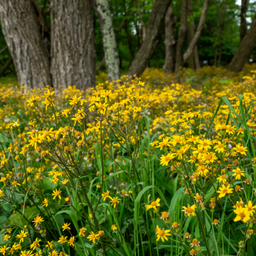
3. Golden Ragwort (Packera aurea)
A pollinator-friendly native ground cover with cheerful yellow blooms.
Why pollinators love it:
- Early spring flowers
- Supports beneficial insects
- Semi-evergreen foliage
- Spreads naturally over time
Best conditions:
- Sun to partial shade
- Moist soil
Golden Ragwort works beautifully in rain gardens, woodland edges, pollinator gardens, and naturalized landscapes.
4. Creeping Phlox (Phlox subulata)
A stunning low-growing native flower for sunny areas and slopes.
Why it works:
- Colorful spring blooms
- Excellent for slopes and edging
- Drought tolerant once established
- Helps stabilize soil naturally
Best conditions:
- Full sun
- Well-drained soil
Its vibrant blooms create incredible spring color while softening hard landscape edges and supporting pollinators.
5. Prairie Smoke (Geum triflorum)
One of the most unique and whimsical native Michigan plants.
Why it works:
- Soft fern-like foliage
- Drought tolerant
- Beautiful pink blooms followed by airy seed heads
- Excellent for rock gardens and sunny borders
Best conditions:
- Full sun
- Well-drained soil
Prairie Smoke adds movement, texture, and softness to native landscapes while creating beautiful visual interest throughout the growing season.
6. Foamflower (Tiarella cordifolia)
A delicate woodland native perfect for shaded gardens.
Why it works:
- Attractive foliage
- Pollinator-friendly blooms
- Slowly spreads over time
- Creates layered woodland texture
Best conditions:
- Partial to full shade
- Moist rich soil
Foamflower pairs beautifully with native ferns and woodland plants while helping create peaceful, layered shade gardens.
Ground Covers Can Support Wildlife Too
Native ground covers do far more than fill empty spaces.
They can help:
- Provide shelter for beneficial insects
- Support pollinators
- Protect soil health
- Retain moisture naturally
- Create habitat for birds and small wildlife
- Improve biodiversity throughout the garden
Layered native plantings also create healthier ecosystems while reducing long-term maintenance needs.
The National Wildlife Federation Garden for Wildlife Program offers excellent information about creating wildlife-friendly backyard habitats using native plants.
Less Maintenance, More Beauty
One of the most freeing parts of native gardening is realizing that gardens do not need to be overly formal or constantly managed to feel beautiful.
Native ground covers help create landscapes that:
- Feel softer
- Require less upkeep
- Support wildlife naturally
- Blend beautifully into Michigan’s ecosystems
- Create calming layered textures
And over time, these living layers often become some of the most peaceful and beautiful parts of the garden.
Coming Up Next:
👉 Native Michigan Plants That Bloom All Summer Long
You might also enjoy these episodes!