
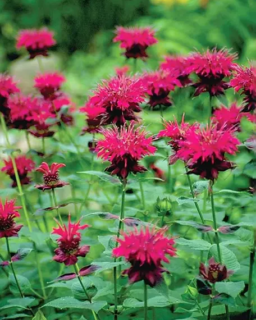
Safe to Plant in Spring in Michigan? | Plant These Now!
If you’re wondering when it’s safe to plant in spring in Michigan, you’re not alone.
A few warm, sunny days can make it feel like gardening season has officially arrived. Garden centers begin filling with flowers and vegetables, trees begin budding, and suddenly it becomes very tempting to plant everything at once.
But Michigan spring weather can be unpredictable.
Understanding Michigan frost dates, soil temperatures, and which plants can tolerate cooler conditions can help you avoid frustration and protect the garden you’ve worked so hard to build.
Whether you’re growing vegetables, planting native Michigan perennials, creating a pollinator garden, or designing a more wildlife-friendly landscape, timing matters.
Let’s walk through what you really need to know before planting this time of year.
Quick Answer: When Is It Safe to Plant in Michigan?
In much of Michigan, frost-sensitive plants are safest to plant after mid-May, once nighttime temperatures remain consistently above 50°F.
However:
- Cold-hardy vegetables and many native Michigan plants can often be planted much earlier
- Northern Michigan and the Upper Peninsula may experience frost well into late spring
- Lakeshore gardens near Lake Michigan sometimes warm differently than inland areas
The key is learning to work with Michigan’s natural rhythms instead of rushing ahead of them.
🌱 Why Spring Planting Timing Matters in Michigan
Michigan’s growing conditions vary widely depending on where you live.
Along parts of Lake Michigan, spring temperatures may warm earlier, while northern regions and the Upper Peninsula can still experience freezing temperatures — and even snow — well into spring.
Even locally, overnight temperature swings can surprise you.
That’s why understanding planting timing matters more than simply looking at the calendar.
For reliable regional gardening guidance, the Michigan State University Extension Gardening Resources are an excellent source of information for Michigan gardeners.
❄️ Understanding Michigan Frost Dates
You’ve probably heard gardeners talk about the “last frost date.”
A last frost date is the average date of the final spring frost in your area, but it’s important to remember:
👉 Frost dates are guidelines — not guarantees.
Late frosts can still happen, especially on clear nights when temperatures drop quickly after warm days.
That means planting too early can put sensitive plants at risk, even if daytime temperatures feel comfortable.
You can check your local average last frost date using the Farmer’s Almanac Frost Date Calculator.
🌡️ Average Last Frost Dates in Michigan
| Region | Estimated Last Frost |
| Southern Michigan | Late April–Mid May |
| West Michigan | Mid May |
| Northern Michigan | Late May–Early June |
| Upper Peninsula | Early–Mid June |
Weather patterns near Lake Michigan can sometimes create slightly milder lakeshore conditions, while inland areas may experience colder overnight temperatures.
🌿 What You Can Safely Plant Right Now in Michigan
The good news?
There’s still plenty you can do in your garden even before frost season fully passes.
🌱 1. Focus on Soil Preparation
Early spring is one of the best times to prepare your garden beds for the growing season.
You can:
- Clear excess debris while still leaving natural habitat where appropriate
- Lightly loosen compacted soil
- Add compost
- Begin planning your layout
Soil temperature matters just as much as air temperature when deciding when to plant. Learning more about soil temperature for planting can help you make better planting decisions throughout spring.
Leaving portions of your garden undisturbed a little longer in spring can also help protect beneficial insects, pollinators, and overwintering amphibians that are slowly becoming active again.
🌸 2. Plant Cold-Hardy Flowers & Vegetables
Some plants tolerate cool spring temperatures surprisingly well.
These include:
- Hardy vegetables like lettuce, kale, peas, and spinach
- Early-season shrubs
- Many native Michigan perennials
Excellent native options to consider include:
- Wild Columbine
- Wild Geranium
- Butterfly Weed
These plants are often better adapted to Michigan’s fluctuating spring conditions than tender annuals.
Native plants also help support pollinators, birds, and the broader ecosystem by providing food, shelter, and habitat throughout the growing season.
For additional inspiration, the Xerces Society Pollinator Conservation Resources offer excellent guidance for creating pollinator-friendly gardens.
🐝 3. Start Planning Your Native Michigan Garden
This is one of the best times to think intentionally about your landscape before summer arrives.
Consider:
- Pollinator-friendly plant choices
- Bloom timing throughout the season
- Supporting bees and butterflies
- Creating bird-friendly habitat
- Adding shallow water sources for birds and amphibians
- Designing a balanced, lower-maintenance garden
Working with native Michigan plants helps create healthier ecosystems while reducing long-term maintenance and watering needs.
Thoughtful native landscaping can also create safe refuge for frogs, toads, butterflies, bees, songbirds, and other wildlife that depend on healthy habitat to survive.
The National Wildlife Federation Native Plant Guide and Audubon Native Plants Database are both wonderful resources for ecological gardening inspiration.
⚠️ What to Hold Off On
Even when the days feel warm, it’s usually best to wait before planting:
- Tender annual flowers
- Tomatoes
- Peppers
- Basil
- Anything especially sensitive to frost
Even one cold night can undo weeks of growth and hard work.
As a general rule, many warm-season plants prefer nighttime temperatures consistently above 50°F.
🌼 A Better Way to Think About Spring Planting
Instead of asking:
👉 “Is it safe to plant yet?”
Try asking:
👉 “What is safe to plant right now?”
This small shift helps you:
- Work with Michigan’s natural rhythm
- Reduce unnecessary risk
- Build a stronger, more resilient garden
- Create healthier habitat for pollinators and wildlife
Gardening becomes far more enjoyable when we stop fighting the season and begin observing it instead.
🌿 A Thoughtful Approach to Gardening in Michigan
Gardening in Michigan teaches patience.
It invites us to observe, respond, and work with the environment rather than rushing ahead of it.
And when we do, our gardens reward us for it.
Sometimes the best thing we can plant early in the season is simply intention.
Frequently Asked Questions About Spring Planting in Michigan
When is it safe to plant flowers in Michigan?
Most frost-sensitive flowers should wait until after your local last frost date, which is often around mid-May in much of Michigan.
What vegetables can be planted early in Michigan?
Cold-hardy vegetables like kale, spinach, peas, and lettuce can tolerate cooler spring temperatures and are often safe to plant earlier.
Can it still frost in May in Michigan?
Yes. Many areas of Michigan can still experience frost into May, and northern regions may see frost even later.
What temperature is too cold for planting?
Tender plants can suffer damage when nighttime temperatures fall below 40°F, especially if frost develops.
Are native Michigan plants better for spring planting?
Many native Michigan plants are naturally adapted to fluctuating spring temperatures and often establish well when planted in cooler conditions.
🌱 Coming Next
In the next post, we’ll explore:
👉 5 Native Michigan Plants You Can Plant Right Now (Even If Frost Is Still Possible)
You may also enjoy: Introducing Michigan Garden Design | Your Awesome Native Plant Specialists!
Pingback: The Best Five Native Michigan Perennials to Plant Today! - michigangardendesign.com